The Kachhi Ghodi Folk Dance of Rajasthan is one of the most vibrant and energetic traditional dance forms that celebrates the valor, chivalry, and martial heritage of Rajputana. The name "Kachhi Ghodi" translates to "dummy horse" in English, as the dance involves male performers wearing elaborately decorated dummy horses made of bamboo, cloth, and paper, creating a spectacular visual display that depicts ancient Rajput cavalry in action.
This highly entertaining folk dance originated in the Shekhawati region of Rajasthan and is traditionally performed during weddings, festivals, and celebratory occasions. The dancers, representing Rajput warriors mounted on horseback, perform thrilling movements, mock battles, and acrobatic displays while carrying colorful dummy horses strapped around their waists. The performance narrates stories of legendary Rajput warriors, historical battles, and tales of bravery that are central to Rajasthani cultural identity.
The Rajasthani Kachhi Ghodi dance is characterized by its high-energy choreography, rhythmic movements, synchronized formations, and the dramatic visual impact of dozens of decorated horses moving in perfect harmony. Accompanied by powerful folk music, energetic drumbeats, and traditional songs celebrating heroism, the dance creates an atmosphere of festivity and pride. This art form not only entertains but also serves as a living connection to Rajasthan's glorious warrior past and continues to be a beloved feature at weddings, cultural events, and tourism showcases across the state.
History and Origin of Kachhi Ghodi Dance
The Kachhi Ghodi Folk Dance of Rajasthan has deep historical roots dating back to the medieval period when Rajput warriors ruled the desert landscapes of northwestern India. The dance form emerged as a cultural celebration of the legendary Rajput cavalry, which was renowned throughout India for its military prowess, strategic brilliance, and unwavering courage in battle. The Rajputs, a warrior caste that dominated Rajasthan for centuries, developed a rich tradition of commemorating their martial heritage through various art forms, with Kachhi Ghodi being one of the most visually striking.
Historical Evolution
Historical records and oral traditions suggest that Kachhi Ghodi performances began as victory celebrations following successful military campaigns. Rajput warriors would recreate their battlefield exploits through dramatic dance performances, wearing horse effigies to symbolize their cavalry units. Over time, these military reenactments evolved into stylized folk performances that were incorporated into wedding celebrations, particularly those of warrior families.
The Warrior Connection
The dummy horses used in the Kachhi Ghodi dance are not merely decorative props but symbolic representations of the war horses that carried Rajput warriors into battle. In Rajput culture, horses held sacred status and were considered extensions of the warrior's own identity. The elaborate decoration of the dummy horses with mirrors, colorful fabrics, bells, and ornamental accessories reflects the traditional practice of adorning war horses before significant battles and ceremonial occasions. Each element of the horse's decoration carries symbolic meaning—the mirrors represent the flash of sunlight on armor, the bells signify the triumphant sound of returning victorious troops, and the vibrant colors celebrate the joy of life and valor.
Regional Variations
While the dance originated in the Shekhawati region—comprising districts like Jhunjhunu, Sikar, and Churu—it gradually spread throughout Rajasthan, with each region developing its own stylistic variations. In Marwar (Jodhpur region), performances tend to emphasize martial movements and warrior stances. In Dhundhar (Jaipur region), the focus shifts more toward celebratory aspects with elaborate costumes. The Hadoti region incorporates local folk music traditions, while Mewar performances often include narrative elements depicting specific historical battles and legendary warriors from that area.
Costume, Decoration & Instruments
Dancer's Traditional Attire
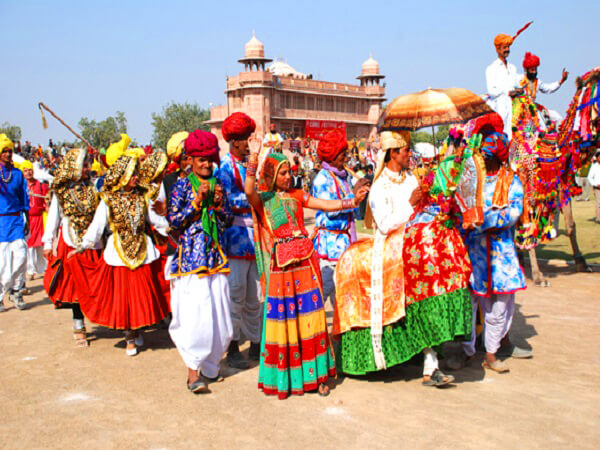
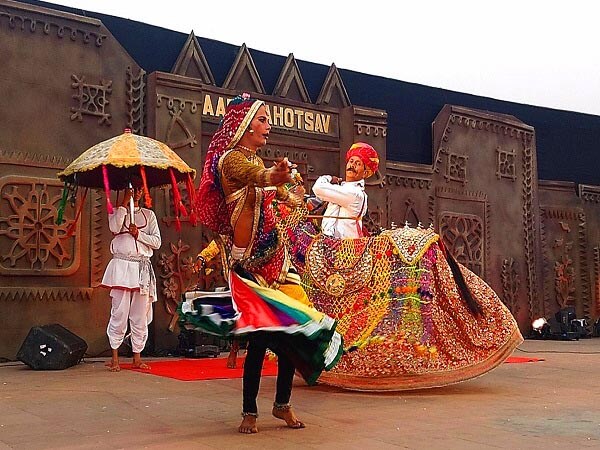
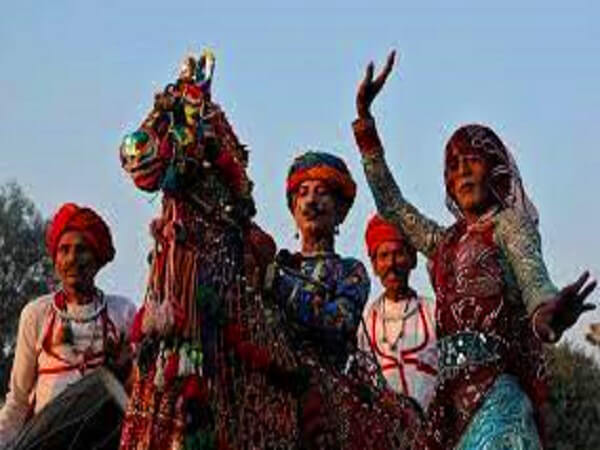
The performers of Kachhi Ghodi Folk Dance wear the traditional Rajasthani warrior costume that authentically represents the martial heritage of the region. Dancers typically dress in colorful traditional dhoti-kurtas or pyjamas paired with angarkha (traditional jacket). They wear distinctive Rajasthani turbans (pagri or safa) in bright colors—often red, yellow, orange, or multicolored—symbolizing pride, valor, and celebration. Many dancers sport traditional Rajasthani mojari (embroidered shoes) and wear elaborate jewelry including necklaces, earrings, and kada (bracelets) that reflect warrior adornment.
The costume is completed with traditional accessories such as kamarbandh (decorative waist belt), often embellished with bells that create rhythmic sounds during movements. Some performers carry talwars (traditional swords) or sticks to enhance the martial aesthetic and perform mock battles during the dance. Mustaches and turbans are styled in the traditional Rajput fashion, adding authenticity to the warrior persona.
The Dummy Horse (Kachhi Ghodi) Construction
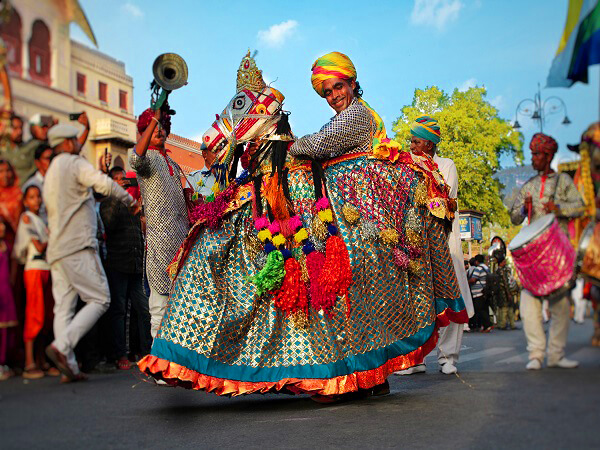
The centerpiece of the performance is the elaborately crafted dummy horse that gives the dance its name. These horses are constructed using a bamboo frame covered with colorful cloth and paper. The horse's body is typically 3-4 feet long and designed to be strapped around the dancer's waist, allowing freedom of movement while creating the illusion of riding. The construction process is a skilled craft passed down through generations, with experienced artisans spending several days creating each horse.
The dummy horses are decorated with extraordinary attention to detail: mirrors and sequins covering the body create dazzling light effects; colorful fabric in red, orange, yellow, green, and blue creates visual vibrancy; elaborate headgear with plumes and ornamental designs crowns the horse; silver or golden bells (ghungroos) attached throughout produce melodious sounds; painted eyes and facial features add lifelike quality; decorative saddle, reins, and bridle complete the cavalry appearance; and tassels, pompoms, and embroidery add festive appeal.
Musical Instruments
The Kachhi Ghodi dance is accompanied by traditional Rajasthani instruments that create the powerful, energetic rhythm essential to the performance:
Dholak: Double-headed drum providing the primary rhythm
Nagara: Large kettle drums creating bass and dramatic beats
Shehnai: Wind instrument adding melodic elements
Manjeera/Jhanjh: Cymbals for high-pitched rhythmic accents
Algoza: Double flute creating traditional Rajasthani melodies
Bankiya: Trumpet-like instrument for fanfare and celebration
Tabla: Sometimes used for more sophisticated rhythmic patterns
Performance Style and Choreography
Dance Movements and Techniques
The Kachhi Ghodi Folk Dance of Rajasthan is distinguished by its vigorous, athletic movements that simulate horseback riding and battle actions. Dancers perform swift galloping motions that replicate horses in full stride, creating the illusion of cavalry charges. Quick turns, spins, and circular formations demonstrate control and coordination. Jumping and leaping movements add dramatic flair and represent horses crossing obstacles. Synchronized group formations include line arrangements, circle patterns, and opposing groups simulating battle formations.
Mock combat sequences are integral to performances, with dancers engaging in choreographed sword fights, lance battles, and strategic maneuvers that tell stories of historical battles. The movements require significant physical stamina, as performances typically last 20-30 minutes of continuous high-energy dancing. The choreography demands excellent balance, as dancers must maintain stability while performing complex movements with the dummy horse strapped around their waist.
Musical Accompaniment and Songs
Traditional folk songs accompanying Kachhi Ghodi performances typically celebrate themes of valor, heroism, legendary warriors, and romantic tales. The lyrics often narrate stories of famous Rajput kings like Prithviraj Chauhan, Maharana Pratap, and Raja Man Singh. The tempo is upbeat and energetic, matching the vigorous dance movements, with periodic shifts in rhythm creating dramatic moments within the performance. Singers may improvise verses to suit the specific occasion—wedding songs for marriages, victory songs for celebrations, and devotional verses for religious events.
Performance Occasions
The Kachhi Ghodi dance is performed at various occasions throughout Rajasthan:
Weddings: Most common setting, performed in groom's baraat procession
Festivals: Holi, Diwali, Teej, and other regional celebrations
Cultural Events: Tourism festivals, folk art showcases, heritage celebrations
Corporate Functions: Welcome ceremonies, cultural programs, theme events
Victory Celebrations: Commemorating achievements and successes
Temple Festivals: Religious processions and deity celebrations
Cultural Significance and Modern Context
Preserving Rajput Heritage
The Kachhi Ghodi Folk Dance serves as a vital link to Rajasthan's glorious past, keeping alive the memory of legendary warriors and historical battles that shaped the region's identity. Through this art form, younger generations learn about their ancestors' valor, the importance of courage and honor, and the rich cultural traditions that define Rajasthani society. The dance functions as living history, transforming abstract historical narratives into vibrant, embodied experiences.
Tourism and Cultural Promotion
In contemporary Rajasthan, Kachhi Ghodi has become an important cultural ambassador, featured prominently in tourism promotions and heritage festivals. Hotels in Jaipur, Udaipur, Jodhpur, and other tourist destinations regularly organize Kachhi Ghodi performances for international visitors. The dance has become synonymous with Rajasthani culture globally, appearing in cultural festivals worldwide and representing Indian folk traditions internationally.
Economic Impact
The Kachhi Ghodi dance provides livelihood to numerous traditional artists, musicians, and craftsmen who specialize in creating dummy horses and costumes. Professional troupes travel throughout India and internationally, earning from performances at weddings, corporate events, and cultural programs. The craft of making dummy horses has become a recognized art form, with artisans receiving orders from across India and beyond.
Contemporary Adaptations
While maintaining its traditional essence, Kachhi Ghodi has adapted to modern contexts. Contemporary performances sometimes incorporate modern music fusions, combining traditional folk with contemporary beats. Some troupes have introduced LED lights into horse decorations for nighttime performances. Choreographers create shortened versions suitable for 5-10 minute performances at corporate events. The dance has been featured in Bollywood films, music videos, and television shows, bringing it to broader audiences.
Distinctive Features of Kachhi Ghodi Dance
Elaborate Dummy Horses
Intricately crafted bamboo and cloth horses decorated with mirrors, bells, colorful fabrics, and ornamental accessories creating dazzling visual effects.
Warrior Tradition
Represents Rajput cavalry heritage with mock battles, sword fights, and military formations celebrating valor and martial prowess.
Powerful Percussion
Energetic dhol, nagara, and traditional instruments create powerful rhythms driving the high-energy performance.
Group Synchronization
Dozens of dancers performing coordinated movements in circular, linear, and battle formations creating spectacular visual impact.
Wedding Tradition
Essential element of Rajasthani wedding celebrations, especially in groom's baraat procession adding grandeur and festivity.
Athletic Prowess
Requires significant stamina, balance, and physical fitness to perform vigorous movements continuously for 20-30 minutes.
Kachhi Ghodi Dance Gallery
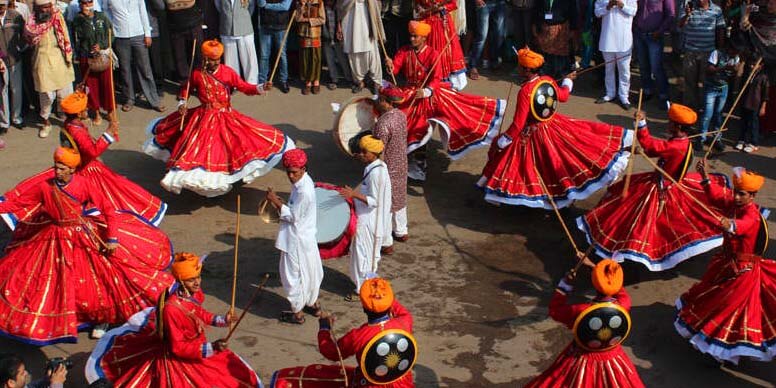
Traditional Performance
Dancers in full warrior costume with decorated dummy horses
Wedding Celebration
Kachhi Ghodi performance in traditional Rajasthani wedding baraat
Horse Decoration
Intricately decorated dummy horse with mirrors and colorful fabrics
Dhol, nagara, and shehnai players providing rhythmic accompaniment
Festival Performance
Kachhi Ghodi at Rajasthan cultural heritage festival
Book Professional Kachhi Ghodi Dancers
Experience the spectacular Kachhi Ghodi Folk Dance of Rajasthan at your event. We provide professional troupes with authentic costumes, decorated dummy horses, traditional musicians, and choreographed performances for weddings, corporate events, cultural programs, and festivals across India.
Weddings & Baraats
Grand Kachhi Ghodi performances with 10-30 dancers for groom's procession and reception programs
Kachhi Ghodi is a vibrant Rajasthani folk dance where male performers wear elaborately decorated dummy horses (made of bamboo, cloth, and paper) strapped around their waists, simulating Rajput cavalry warriors. The dance celebrates Rajasthan's martial heritage with energetic movements, mock battles, and acrobatic displays, typically performed at weddings, festivals, and cultural celebrations. It originated in the Shekhawati region and represents the valor and chivalry of legendary Rajput warriors.
What is the meaning of Kachhi Ghodi?
"Kachhi Ghodi" literally translates to "dummy horse" in English. "Kachhi" refers to something artificial or makeshift, while "Ghodi" means horse. The name describes the central element of this dance form—the elaborately decorated bamboo and cloth horse structures that dancers wear around their waist, creating the illusion of riding horses. These dummy horses represent the war horses of Rajput cavalry and are decorated with mirrors, bells, colorful fabrics, and ornamental accessories.
What are the occasions when Kachhi Ghodi is performed?
Kachhi Ghodi is primarily performed at Rajasthani weddings, especially in the groom's baraat (wedding procession), adding grandeur and festivity to the celebration. It's also performed during major festivals like Holi, Diwali, Teej, and Gangaur; cultural events and tourism festivals showcasing Rajasthani heritage; corporate functions and theme events; temple festivals and religious processions; victory celebrations; and heritage hotels for tourist entertainment. The dance adds color, energy, and traditional authenticity to any celebration.
How much does it cost to book Kachhi Ghodi dancers?
The cost of booking professional Kachhi Ghodi dancers varies based on several factors: number of performers (typically 8-30 dancers), performance duration (15-45 minutes), location and travel requirements, event type (wedding, corporate, festival), inclusion of musicians and instruments, costume and dummy horse quality, and additional elements like special choreography or LED decorations. Prices generally range from ₹15,000-₹1,00,000 depending on these factors. Contact us at +91-9355056666 for customized quotations based on your specific requirements.
What is the costume and makeup of Kachhi Ghodi dancers?
Kachhi Ghodi dancers wear traditional Rajasthani warrior costumes including colorful dhoti-kurta or pyjama-angarkha (traditional jacket), distinctive Rajasthani turbans (pagri) in bright colors, embroidered mojari (traditional shoes), and traditional jewelry (necklaces, earrings, kada). They carry swords or sticks for mock battles, wear decorative kamarbandh (waist belts) with bells, and style mustaches in traditional Rajput fashion. The centerpiece is the elaborately decorated dummy horse made from bamboo and cloth, adorned with mirrors, sequins, colorful fabrics, bells, ornamental headgear, painted features, and decorative saddles—all creating a dazzling spectacle.
What musical instruments accompany Kachhi Ghodi dance?
Kachhi Ghodi performances are accompanied by traditional Rajasthani instruments including dholak (double-headed drum for primary rhythm), nagara (large kettle drums for bass beats), shehnai (wind instrument for melody), manjeera/jhanjh (cymbals for rhythmic accents), algoza (double flute for traditional melodies), bankiya (trumpet for fanfare), and sometimes tabla for sophisticated rhythmic patterns. The music is energetic and powerful, featuring traditional folk songs that celebrate warrior valor, heroism, legendary Rajput kings, and romantic tales, with improvised verses suited to the specific occasion.
How is Kachhi Ghodi different from other Rajasthani folk dances?
Kachhi Ghodi is unique among Rajasthani folk dances for several reasons: it's exclusively performed by male dancers representing warriors (unlike Ghoomar and Kalbeliya which are female dances); it features elaborately decorated dummy horses as the central prop, which no other Rajasthani dance includes; it specifically celebrates martial heritage and cavalry traditions with mock battle sequences; it requires exceptional physical stamina for continuous high-energy movements; it's traditionally most prominent in wedding baraats (groom's processions); and it visually recreates historical Rajput cavalry, connecting modern celebrations to medieval warrior traditions in a unique and spectacular way.
Can Kachhi Ghodi be performed outside Rajasthan?
Yes, professional Kachhi Ghodi troupes regularly perform across India and internationally. We provide authentic Kachhi Ghodi performances in major cities including Delhi NCR, Mumbai, Bangalore, Hyderabad, Chennai, Kolkata, Pune, Ahmedabad, and many others. We also arrange international performances for cultural festivals, diaspora weddings, and corporate events. Our troupes travel with complete setup including decorated dummy horses, authentic costumes, traditional instruments, and experienced musicians. All logistical arrangements including travel, accommodation, and equipment transportation are professionally managed.
Contact Us to Book Kachhi Ghodi Dancers
Book authentic Kachhi Ghodi Folk Dance of Rajasthan performers for your events across India