Nautanki Folk Dance Troupe
The Nautanki Folk Dance Troupe represents one of North India’s most expressive and storytelling-rich performance traditions. Rooted mainly in Uttar Pradesh and parts of Rajasthan, Nautanki is not just a dance form but a complete folk theatre experience that blends music, dialogue, singing, and dramatic movement. A professional Nautanki Folk Dance Troupe carries forward this vibrant legacy with energy, color, and emotional depth.
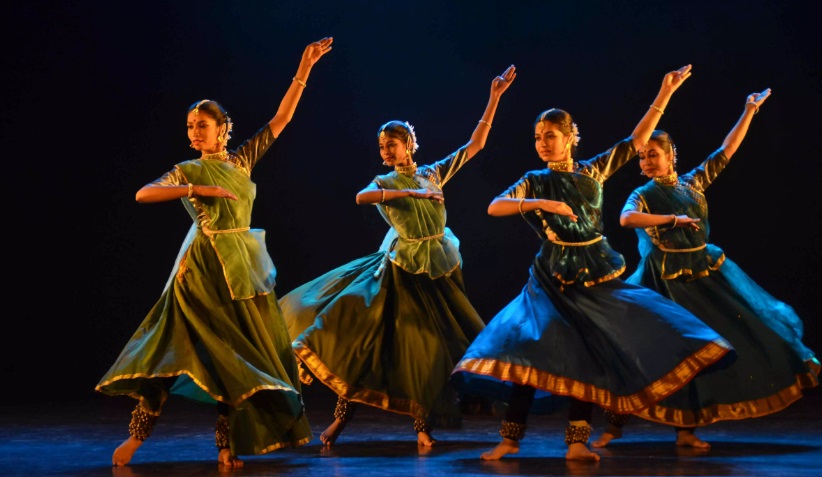
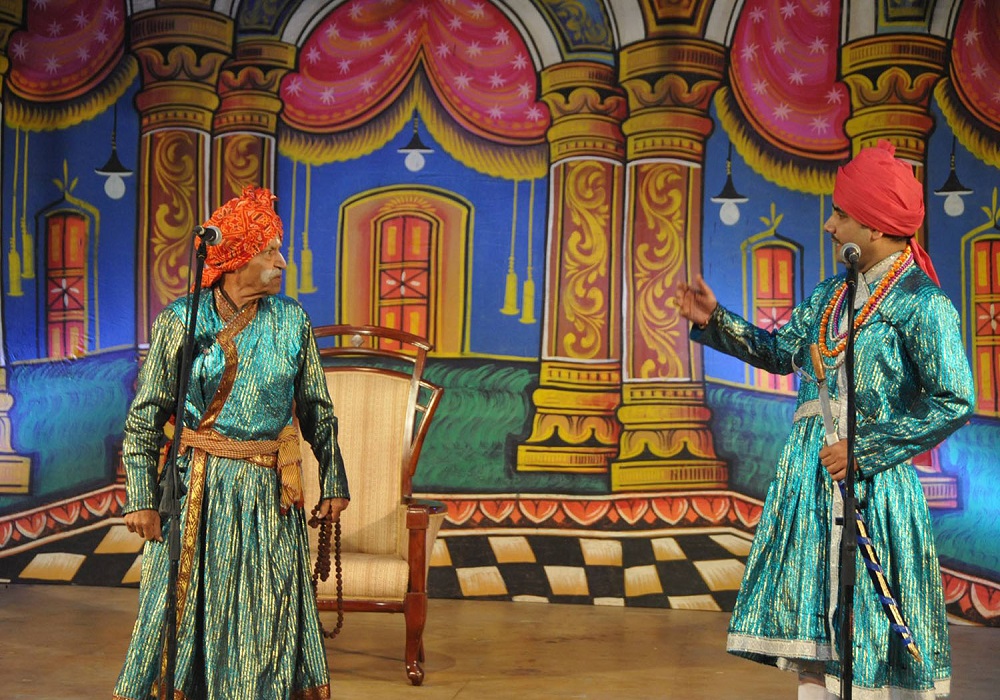
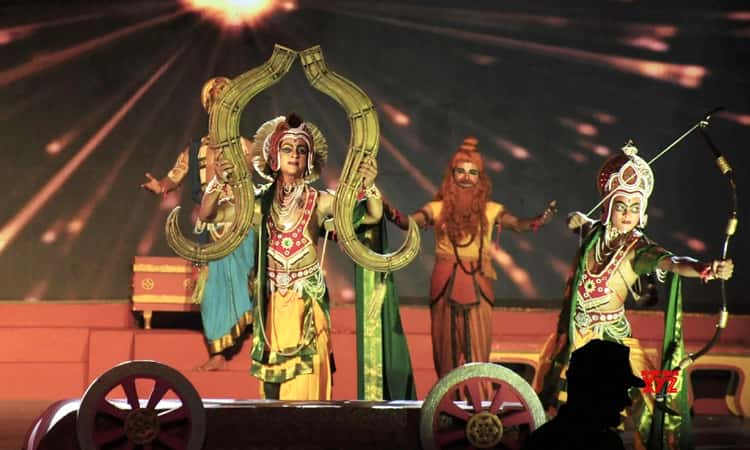
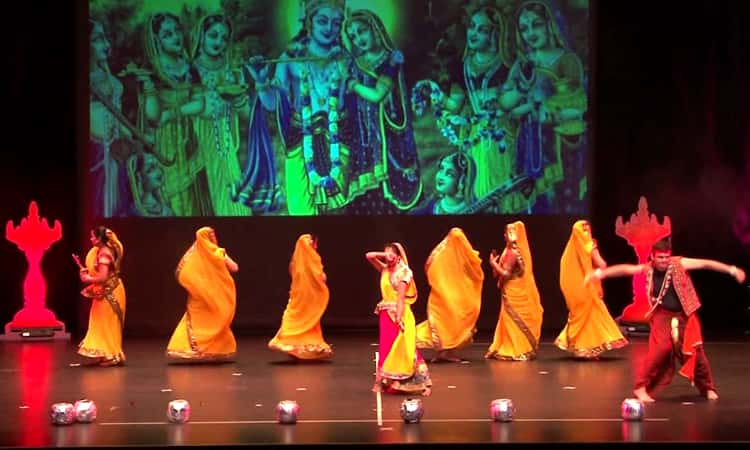
Traditionally, Nautanki performances narrate stories drawn from mythology, folklore, romance, bravery, and social themes. Popular tales of love, sacrifice, kings, queens, and legendary heroes are brought alive through rhythmic footwork, expressive gestures, and powerful facial expressions. The performers, both male and female, are trained to communicate emotions clearly so that the audience can connect with the story even without elaborate stage setups.
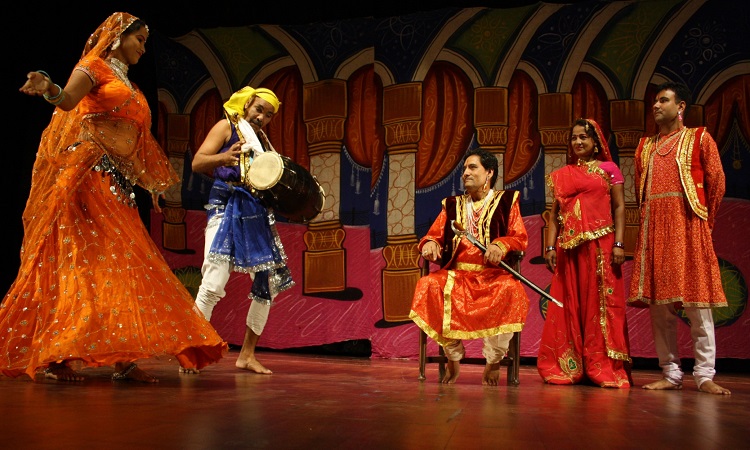
Music plays a central role in every Nautanki Folk Dance Troupe performance. Live singing accompanied by traditional instruments such as the nagara, dholak, sarangi, and harmonium creates a dramatic atmosphere. The lead singer or narrator guides the story, while dancers respond through coordinated movements and theatrical actions. This interactive style keeps audiences engaged from beginning to end.
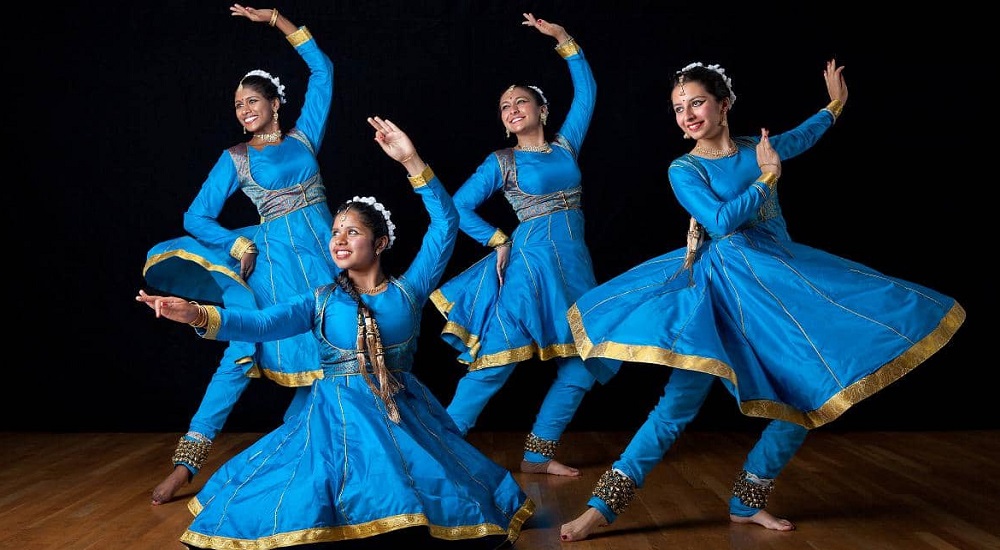
Costumes are another highlight of a Nautanki Folk Dance Troupe. Performers wear bright, richly decorated attire that reflects royal courts, village life, or mythological characters, depending on the theme. Heavy jewelry, expressive makeup, and traditional headgear enhance the visual appeal and help define each character on stage.
Today, Nautanki Folk Dance Troupes perform at cultural festivals, weddings, village fairs, corporate events, and tourism programs. While preserving traditional elements, many troupes also adapt their presentations to suit modern audiences by shortening performances and focusing on high-energy sequences. Through their dedication, Nautanki Folk Dance Troupes continue to keep this powerful folk tradition alive, celebrating India’s storytelling heritage in its most colorful and captivating form.
Photo & Video Gallery
Frequently Asked Questions
What is a Nautanki Folk Dance Troupe?
A Nautanki Folk Dance Troupe is a group of trained performers who present traditional Nautanki, a vibrant North Indian folk theatre form. The performance combines dance, music, singing, dialogue, and dramatic storytelling, making it both entertaining and culturally rich.
Which regions is Nautanki folk dance associated with?
Nautanki originated in North India, especially in Uttar Pradesh, Rajasthan, Haryana, and parts of Madhya Pradesh. Today, Nautanki troupes perform across India and abroad to showcase this traditional art form.
What type of performances does a Nautanki Folk Dance Troupe offer?
Nautanki troupe offers live theatrical performances that include folk songs, expressive dance movements, humorous dialogues, mythological stories, historical tales, and social themes. Performances are often colorful, energetic, and interactive.
How long is a typical Nautanki performance?
A standard Nautanki performance can last from 45 minutes to 2 hours, depending on the event requirement. Short thematic performances can also be customized for stage shows, festivals, or corporate events.
What occasions are suitable for Nautanki Folk Dance performances?
Nautanki Folk Dance Troupes are ideal for cultural festivals, fairs, weddings, government events, corporate programs, village melas, school functions, and tourism promotions.
How many artists are usually part of a Nautanki Folk Dance Troupe?
A typical Nautanki troupe consists of 8 to 20 artists, including singers, dancers, musicians, and actors. The number of performers can vary based on the scale and style of the show.
What instruments are used in Nautanki performances?
Traditional instruments such as dholak, nagara, harmonium, sarangi, and manjira are commonly used. These instruments create a lively rhythm that enhances the dramatic impact of the performance.
Are Nautanki performances family-friendly?
Yes, most Nautanki Folk Dance Troupes present family-friendly performances. Content can be adjusted according to the audience, ensuring suitability for cultural and formal events.
Can Nautanki Folk Dance Troupes customize performances?
Yes, many Nautanki troupes offer customized performances based on themes like mythology, social awareness, patriotism, or regional culture. Language, duration, and storyline can also be modified as per the event.
Why should one book a Nautanki Folk Dance Troupe?
Booking a Nautanki Folk Dance Troupe adds a traditional and engaging cultural experience to any event. It helps preserve Indian folk heritage while entertaining audiences with lively music, storytelling, and dramatic expressions.
Related States & Popular Folk Styles
Explore folk dance traditions from other regions of India:
Contact & Quick Quote
Ready to book authentic Uttar Pradesh folk dancers for your event? Contact us today for a personalized quote and event planning consultation.
Delhi Office
Address: Plot No.2, 1st Floor, Street No.7, A Block, West Sant Nagar, Burari, Landmark – Rani Public School, Delhi – 110084
Phone: +91-9355056666
Bangalore Office
Address: 102/7, Silver County Rd, Kudlu, Bengaluru, Karnataka 560068
Phone: +91-9611904473
Patna Office
Address: Flat No. 1, 2nd Floor, Patna
Email: info@anantagroup.com