Ghumara Folk Dance Troupe: The Pulsating Heartbeat of Rural Odisha
The Ghumara Folk Dance Troupe represents one of the most energetic and soul-stirring dance traditions of eastern India, deeply rooted in the cultural life of Odisha. Known for its powerful drum rhythms and synchronized movements, this folk dance is more than a performance—it is a celebration of community, history, and collective joy.
Origin and Cultural Background
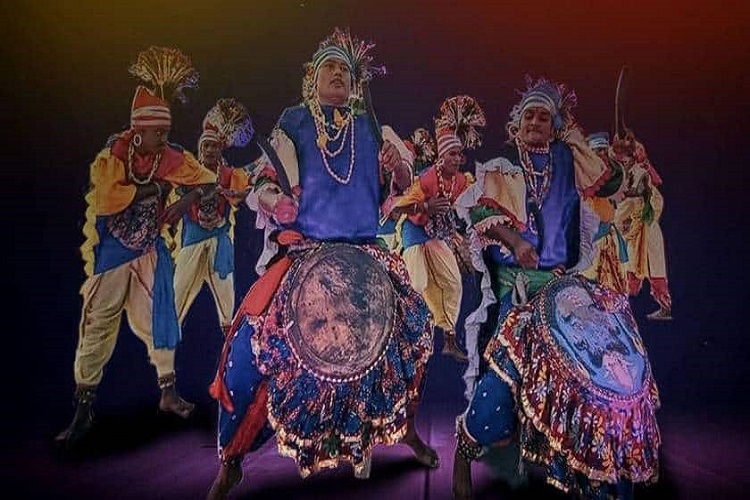
Ghumara dance derives its name from the Ghumara drum, a large, bowl-shaped percussion instrument made of clay or wood and covered with animal skin. Historically, the dance was performed by villagers during harvest festivals, religious rituals, fairs, and community gatherings. Over time, organized Ghumara Folk Dance Troupes emerged to preserve and present this tradition on regional, national, and international stages.
The dance reflects the tribal and rural ethos of Odisha, especially from districts like Kalahandi, Bolangir, and Koraput, where folk music and rhythm are integral to daily life.
Performance Style and Musical Elements
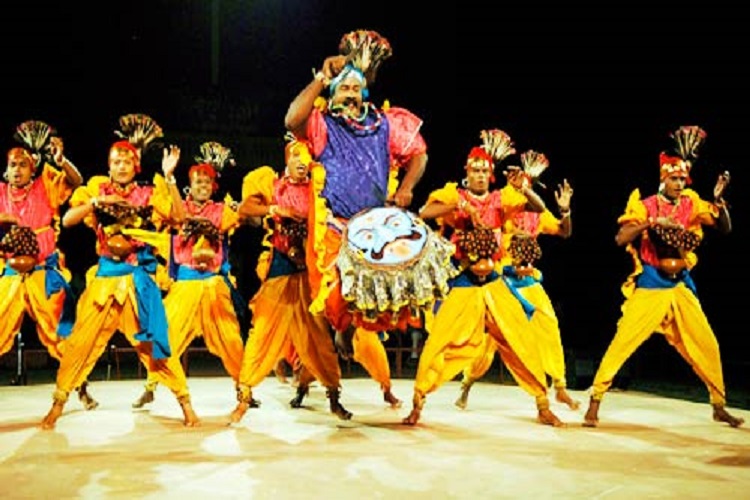
A Ghumara Folk Dance Troupe is known for its strong rhythmic foundation. Each performer carries a Ghumara drum, strapped around the waist, and plays it while dancing. The dancers move in circular and linear formations, matching every step to the rising and falling beats of the drum.
Key features of the performance include:- High-energy footwork and body movements
- Sudden pauses followed by powerful rhythmic bursts
- Call-and-response patterns between lead drummers and the group
- A natural flow that blends music, dance, and storytelling
- A natural flow that blends music, dance, and storytelling
The music is raw and earthy, often accompanied by traditional chants or folk songs that speak about nature, bravery, festivals, and rural life.
Costumes and Visual Appeal
The visual identity of a Ghumara Folk Dance Troupe is simple yet striking. Performers usually wear:
- Traditional dhoti or short-length lower garments
- Brightly colored headbands or turbans
- Minimal makeup, emphasizing natural expressions
The focus remains on rhythm and movement rather than heavy ornamentation, which keeps the performance authentic and grounded.
Social and Cultural Significance
- Cultural exchange programs
- Government and tourism events
- National folk festivals
- Educational and heritage platforms
Despite being adapted for stage presentations, most troupes strive to retain the original spirit and rhythm of the dance, ensuring that modernization does not dilute its essence.
Photo & Video Gallery
Why Choose Folk Dancers from Odisha
Cultural Authenticity
Our Odisha folk dancers are trained in traditional techniques passed down through generations. They maintain the authentic essence of each dance form while adapting to modern performance requirements.
Professional Experience
With years of experience in cultural performances, our artists have performed at prestigious venues across India and internationally, bringing the rich heritage of Odisha to global audiences.
Complete Cultural Package
We provide not just dancers, but a complete cultural experience including traditional costumes, authentic music, live musicians, and cultural commentary to educate your audience about Odisha's rich heritage.
Reliable Service
Ananta Group has been organizing cultural events for over a decade. We ensure punctuality, professionalism, and memorable performances that leave lasting impressions on your guests.
Frequently Asked Questions
What is Ghumara Folk Dance?
Ghumara Folk Dance is a traditional dance form of eastern India, mainly associated with the states of Odisha, Chhattisgarh, and parts of West Bengal. It is known for its powerful drum rhythms and energetic movements performed during festivals and special occasions.
Why is it called Ghumara Dance?
The dance gets its name from the “Ghumara”, a large barrel-shaped drum made of clay or wood. This drum is the heart of the performance, and its deep, echoing beats guide the dancers’ steps and expressions.
On which occasions is Ghumara Dance performed?
Ghumara Dance is usually performed during harvest festivals, village celebrations, fairs, and religious events. It is also showcased during cultural programs and state festivals to represent regional folk heritage.
Who performs Ghumara Folk Dance?
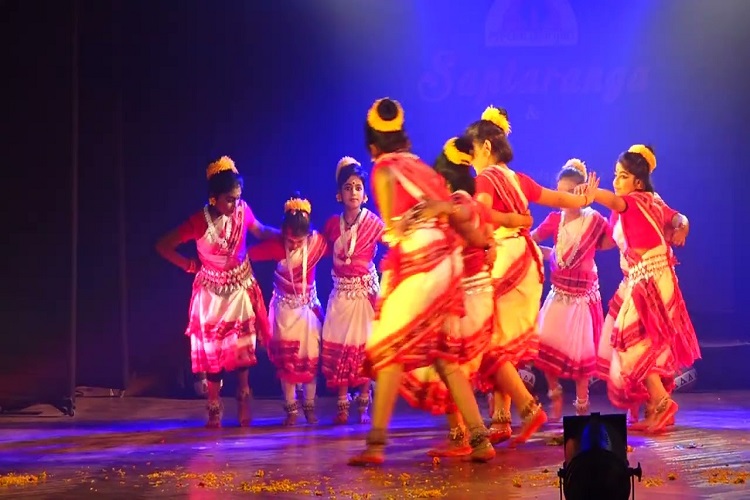
Traditionally, men perform Ghumara Dance, especially those from tribal and rural communities. However, in modern cultural presentations, both men and women may participate to promote inclusivity and artistic expression.
What kind of costumes are worn in Ghumara Dance?
Performers usually wear traditional attire, such as dhotis or lungis, along with colorful turbans or headgear. Accessories like waist belts, ankle bells, and ornaments add to the visual appeal of the dance.
Is Ghumara Dance linked to any religious beliefs?
es, Ghumara Dance often has ritual and spiritual significance. It is sometimes performed to seek blessings from local deities, especially during agricultural festivals and village rituals.
What type of music accompanies Ghumara Dance?
The dance is mainly accompanied by the Ghumara drum, along with other folk instruments like dhol, nishan, and wind instruments. The music starts slowly and gradually becomes faster, increasing the energy of the performance.
How is Ghumara Dance different from other folk dances?
Ghumara Dance stands out because of its drum-centric performance, powerful rhythms, and controlled movements. Unlike lighter folk dances, it emphasizes strength, discipline, and rhythmic precision.
What are the space and technical requirements for Odisha folk dance performances?
For Odisha folk dance performances, we typically need a minimum 15x15 feet performance area, basic lighting, and power supply for sound equipment. We can adapt to smaller spaces with advance notice.
Is Ghumara Folk Dance still popular today?
es, Ghumara Folk Dance continues to be popular and is actively preserved through cultural troupes, folk festivals, schools, and government cultural programs. It is also performed on national and international stages to showcase India’s rich folk traditions.
Related States & Popular Folk Styles
Explore folk dance traditions from other regions of India:
Contact & Quick Quote
Ready to book authentic Odisha folk dancers for your event? Contact us today for a personalized quote and event planning consultation.
Delhi Office
Address: Plot No.2, 1st Floor, Street No.7, A Block, West Sant Nagar, Burari, Landmark – Rani Public School, Delhi – 110084
Phone: +91-9355056666
Bangalore Office
Address: 102/7, Silver County Rd, Kudlu, Bengaluru, Karnataka 560068
Phone: +91-9611904473
Patna Office
Address: Flat No. 1, 2nd Floor, Patna
Email: info@anantagroup.com