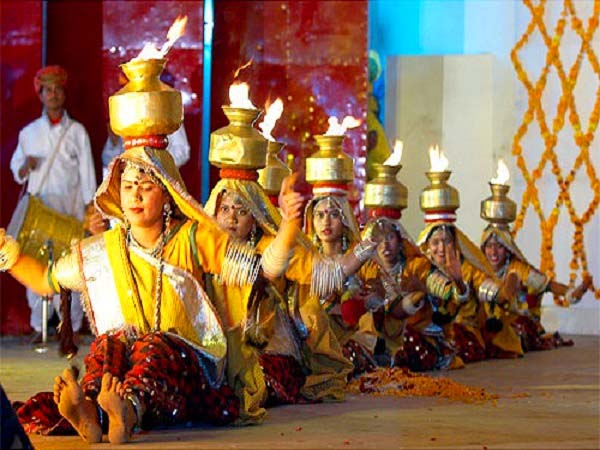
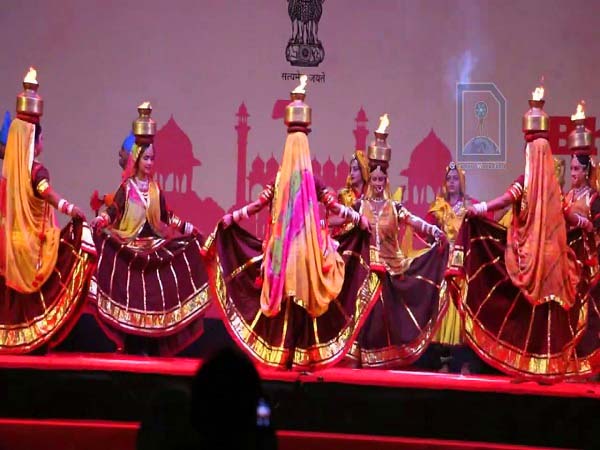
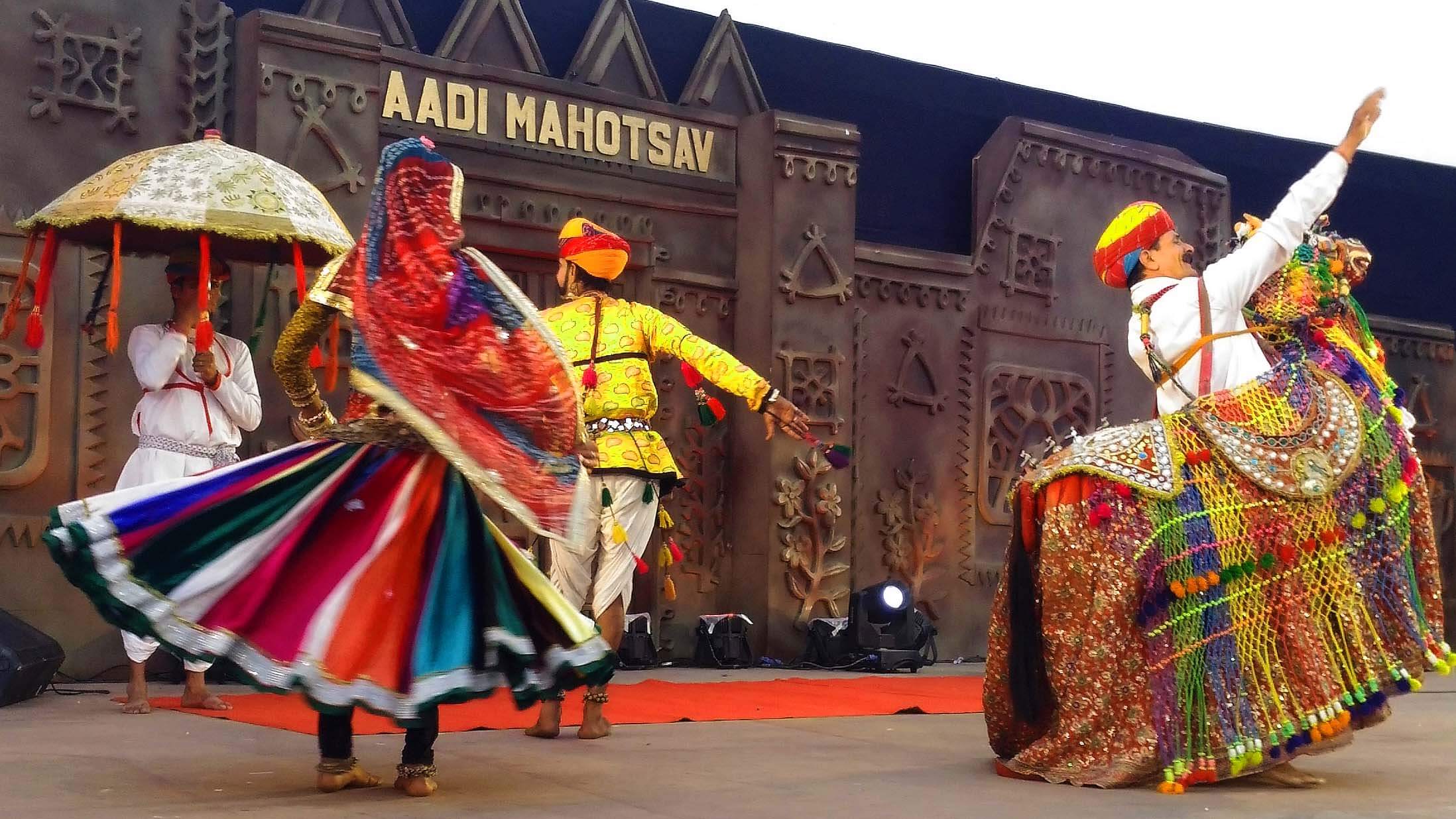
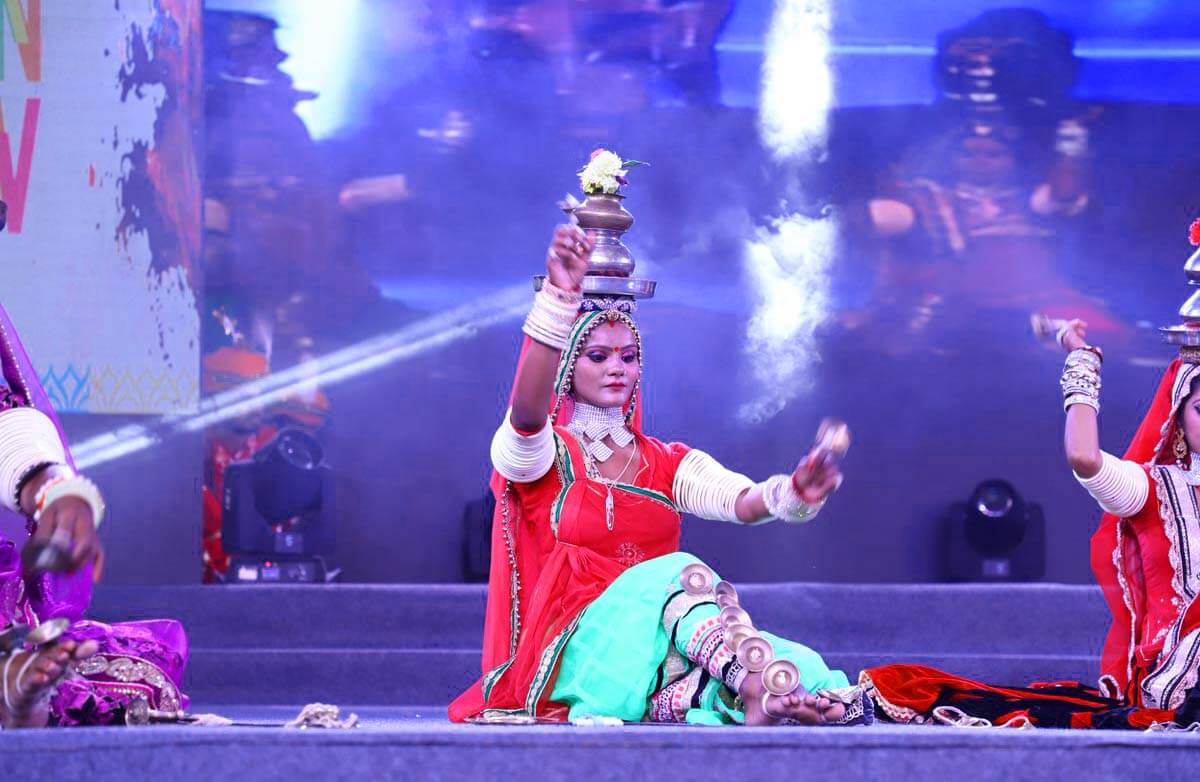
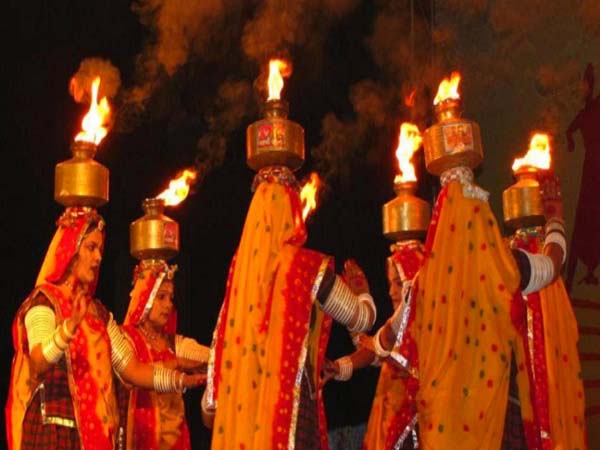
The Chari Folk Dance of Rajasthan is one of the most spectacular and visually stunning traditional dance forms of India, captivating audiences worldwide with its daring display of fire and balance. Performed primarily by women from the Gujjar, Saini, and other communities of Rajasthan, this ancient dance showcases remarkable skill as performers balance brass pots (chari) filled with burning cotton seeds soaked in oil on their heads while executing graceful footwork and intricate choreography. The mesmerizing sight of dancers moving rhythmically with flames dancing above them creates an unforgettable spectacle that symbolizes courage, grace, and the vibrant spirit of Rajasthani culture. Discover more folk dances of Rajasthan that showcase this rich cultural heritage. Today, the Chari dance Rajasthan has transcended its traditional village settings to become a celebrated performance at royal weddings, cultural festivals, corporate events, and international showcases, where professional Chari dance artists continue to preserve this breathtaking art form.
History and Origin of Chari Dance
The Chari Folk Dance has its roots deeply embedded in the daily life and traditions of Rajasthan's rural communities, particularly in the regions of Ajmer, Kishangarh, and surrounding areas. The dance originated as a celebratory performance among women who would traditionally fetch water in brass or earthen pots from distant wells and water sources. This daily ritual of balancing heavy water pots on their heads evolved into an artistic expression, with the addition of fire transforming it into a spectacular performance art.
Historically, the traditional Chari dance was performed during auspicious occasions such as the birth of a male child, weddings, festivals, and to welcome honored guests. The fire element was introduced to symbolize light, prosperity, and the welcoming of positive energy into homes and celebrations. Women of the Gujjar and Saini communities were particularly known for their expertise in this dance form, passing down the skills and techniques through generations.
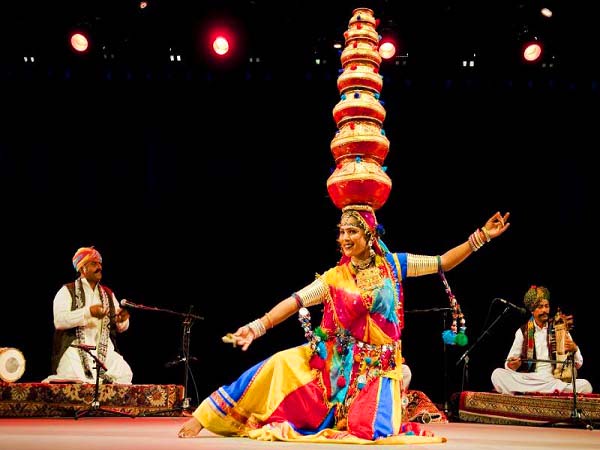
The name "Chari" itself comes from the brass or earthen pot used in the performance. Over centuries, the fire dance Rajasthan evolved from a simple village celebration into a sophisticated art form recognized for its technical difficulty and visual impact. During the royal era, Maharajas and Maharanis would invite Chari dancers to perform at palace celebrations, elevating the dance's status from folk tradition to courtly entertainment. The dance also served as a demonstration of women's strength, balance, and grace in Rajasthani society.
In modern times, the Chari Folk Dance of Rajasthan has gained international recognition as performers showcase this unique art form at cultural festivals worldwide. Professional troupes have refined the choreography while maintaining its traditional essence, incorporating multiple dancers performing in synchronized formations. The dance has become an iconic representation of Rajasthan's folk culture, often featured in tourism promotions and cultural documentaries. Today, dedicated artists and cultural organizations work to preserve this ancient tradition, training new generations in the demanding skills required to perform this breathtaking Rajasthani folk dance safely and artistically.
Performance Style & Technique
The Chari dance Rajasthan is renowned for its exceptional technical demands and the extraordinary skill required from performers. The dance combines three challenging elements: perfect balance, graceful movement, and fire safety, making it one of the most difficult folk dances to master.
Balance & Poise
The fundamental skill of Chari dance is maintaining perfect balance while carrying brass pots filled with burning material on the head. Dancers train for years to develop core strength and neck stability, allowing them to execute complex movements without disturbing the pot's position.
Footwork Patterns
Despite the challenge of balancing fire overhead, Chari dancers perform intricate footwork including rhythmic steps, turns, and circular movements. The feet move in sync with traditional folk music, creating patterns that range from slow, deliberate steps to quick, energetic sequences.
Fire Management
The burning cotton seeds in the brass pots create dancing flames that add dramatic visual impact. Professional dancers understand wind conditions and flame behavior, ensuring safety while maximizing the spectacular effect. The fire represents prosperity and positive energy.
Group Choreography
Modern performances often feature multiple dancers moving in synchronized formations, creating mesmerizing patterns of fire and movement. Group choreography requires exceptional coordination, with dancers maintaining awareness of both their own performance and their proximity to others.
Performance Duration and Structure
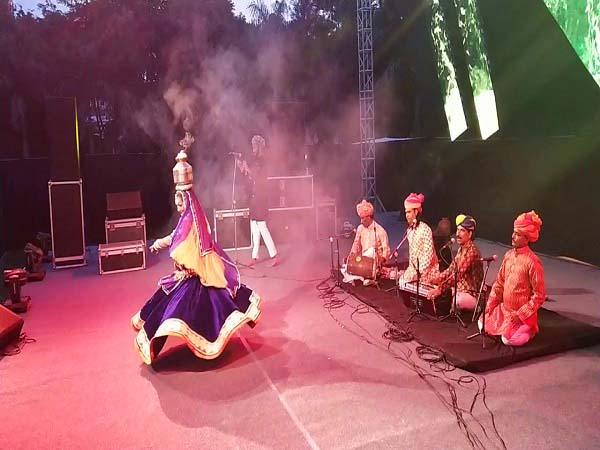
A typical Chari Folk Dance performance lasts 10-20 minutes and follows a structured progression. It begins with slow, deliberate movements as dancers enter with lit pots, gradually building tempo and complexity. The middle section features the most intricate footwork and group formations, while the finale showcases rapid spins and dramatic poses with the flames reaching their peak intensity. Professional Chari dance artists coordinate with musicians playing traditional instruments like dholak, harmonium, and nagara to create a complete sensory experience.
Training and Safety
Becoming a proficient Chari dancer requires years of dedicated training. Aspiring performers begin by practicing balance with empty pots, gradually progressing to weighted pots, and finally to lit pots under expert supervision. Core strengthening exercises, neck stability training, and footwork practice form the foundation of preparation. Safety protocols are paramount—dancers learn proper pot preparation, fire management techniques, emergency response, and perform only in appropriate venues with safety measures in place. Modern professional troupes adhere to strict safety standards while maintaining the authentic visual impact that makes this pot balancing dance so spectacular.
Traditional Costumes & Musical Accompaniment
Costumes and Attire
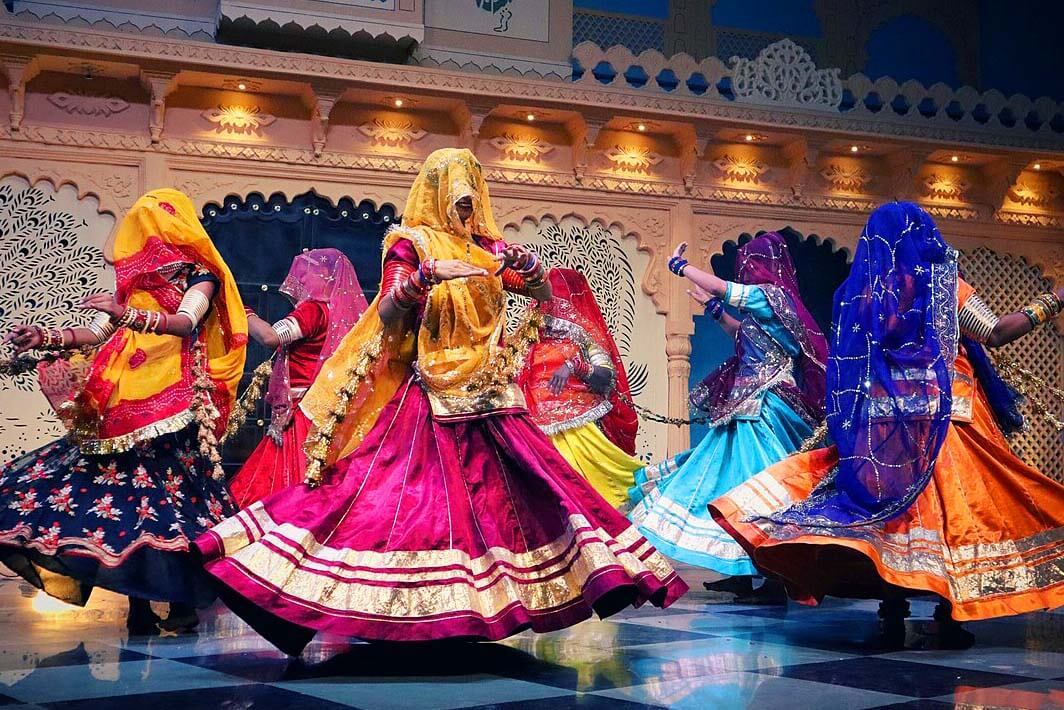
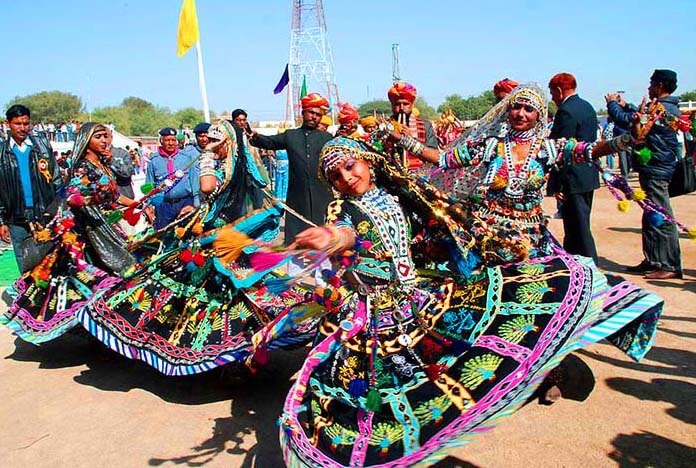
The traditional costume for Chari Folk Dance of Rajasthan reflects the vibrant colors and rich textile heritage of the region. Female dancers wear colorful ghagras (long, flowing skirts) with intricate embroidery, mirror work, and traditional Rajasthani prints. The skirts typically feature bright colors like red, orange, yellow, green, and pink, often combined in eye-catching patterns.
The ensemble includes a fitted choli (blouse) and an odhni (dupatta) draped elegantly. Dancers adorn themselves with traditional Rajasthani jewelry including silver ornaments, bangles covering the forearms, anklets (payal) with bells, necklaces, earrings, and nose rings. The jewelry not only adds to the visual appeal but also produces rhythmic sounds with movement. A special padded ring (called modhla or gedi) is placed on the head as a base for the brass pot, providing stability and comfort during the performance.
Musical Instruments and Songs
The Chari dance Rajasthan is performed to traditional Rajasthani folk music that creates an energetic and festive atmosphere. The primary instruments include:
- Dholak: A two-headed hand drum that provides the main rhythmic foundation, played with varying intensity to match the dance's tempo changes
- Harmonium: Provides melodic accompaniment and sustains the folk tunes throughout the performance
- Nagara/Dhol: Large drums that add powerful bass beats during climactic moments of the dance
- Manjira (Cymbals): Small cymbals that accentuate rhythmic patterns and add bright, tinkling sounds
- Been/Pungi: Occasionally used to add the characteristic Rajasthani folk melody
The songs accompanying Chari dance are typically celebratory folk songs in the Rajasthani dialect, often praising the beauty of Rajasthan, celebrating special occasions, or narrating folk tales. The lyrics and music gradually increase in tempo, matching the intensifying energy of the dance. Singers, usually women from the performing troupe, provide vocals that blend seamlessly with instrumental music, creating an immersive cultural experience that transports audiences to the heart of rural Rajasthan.
Regional Variations of Chari Dance
While the core elements of the Chari Folk Dance remain consistent, different regions of Rajasthan have developed their own distinctive styles and variations:
Ajmer-Kishangarh Style
The Ajmer and Kishangarh regions are considered the birthplace of Chari dance, and their style is regarded as the most traditional. This variation emphasizes slower, more deliberate movements with greater focus on maintaining perfect balance. The choreography often includes circular formations and traditional folk song sequences that have been performed for generations. This style is particularly popular at weddings and religious celebrations.
Shekhawati Variation
In the Shekhawati region, traditional Chari dance incorporates more energetic footwork and faster tempo changes. Performers may use multiple pots stacked on the head, increasing the difficulty and visual impact. This variation often features more elaborate group choreography with dancers weaving in and out of formations while maintaining their flaming pots.
Modern Performance Style
Contemporary professional troupes have adapted Chari dance for stage performances, incorporating theatrical lighting, enhanced choreography, and fusion elements while respecting traditional techniques. These adaptations make the dance suitable for large venues and international audiences, though purists prefer the authentic village style performed in open courtyards under starlit skies.
Cultural Significance & Symbolism
The Chari Folk Dance of Rajasthan carries deep cultural and symbolic meaning beyond its visual spectacle. The fire atop the pots represents the light of knowledge, prosperity, and the divine presence that illuminates life. In traditional contexts, performing Chari dance was believed to bring good fortune and ward off negative energies from important celebrations.
Women's Empowerment Through Art
This Rajasthani folk dance also symbolizes the strength and resilience of Rajasthani women. The act of balancing heavy pots while dancing reflects the traditional role of women who balanced multiple responsibilities with grace and strength. Today, many professional Chari dance artists view their art as a celebration of feminine power and cultural pride, earning respect and livelihood through their exceptional skills.
The dance serves as a living connection to Rajasthan's rural heritage, preserving customs and traditions that might otherwise fade in modern times. When performed at weddings, it creates a bridge between past and present, honoring ancestors while celebrating new beginnings. At cultural festivals and tourism events, Chari dance serves as an ambassador of Rajasthani culture, introducing audiences worldwide to the state's rich artistic traditions and the skill of its performers.