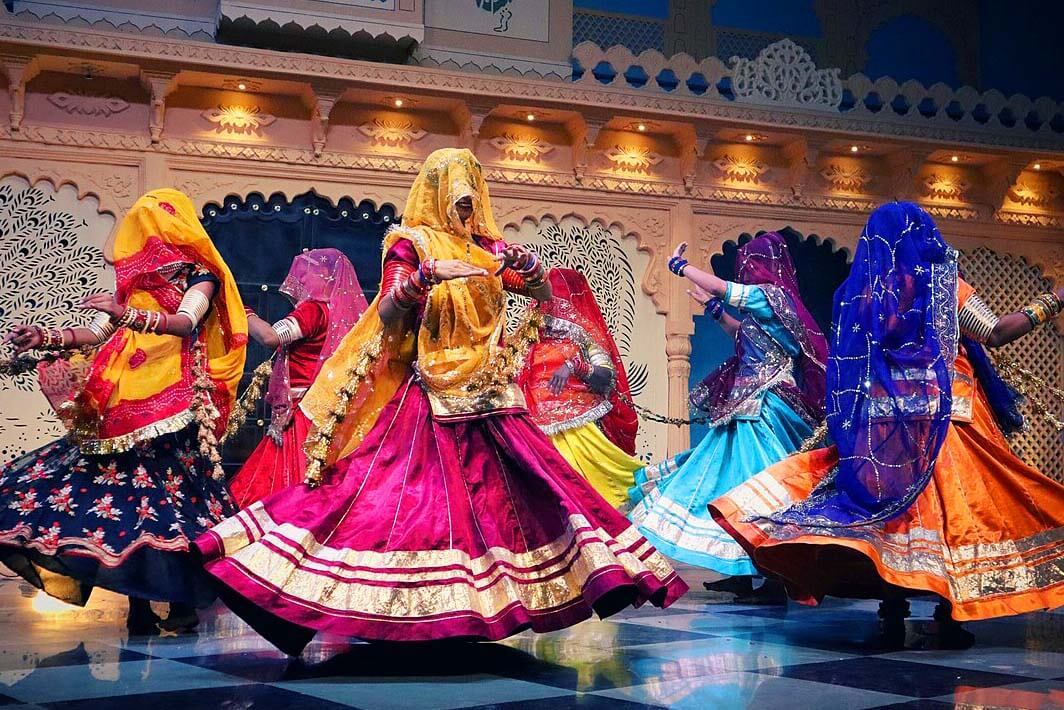
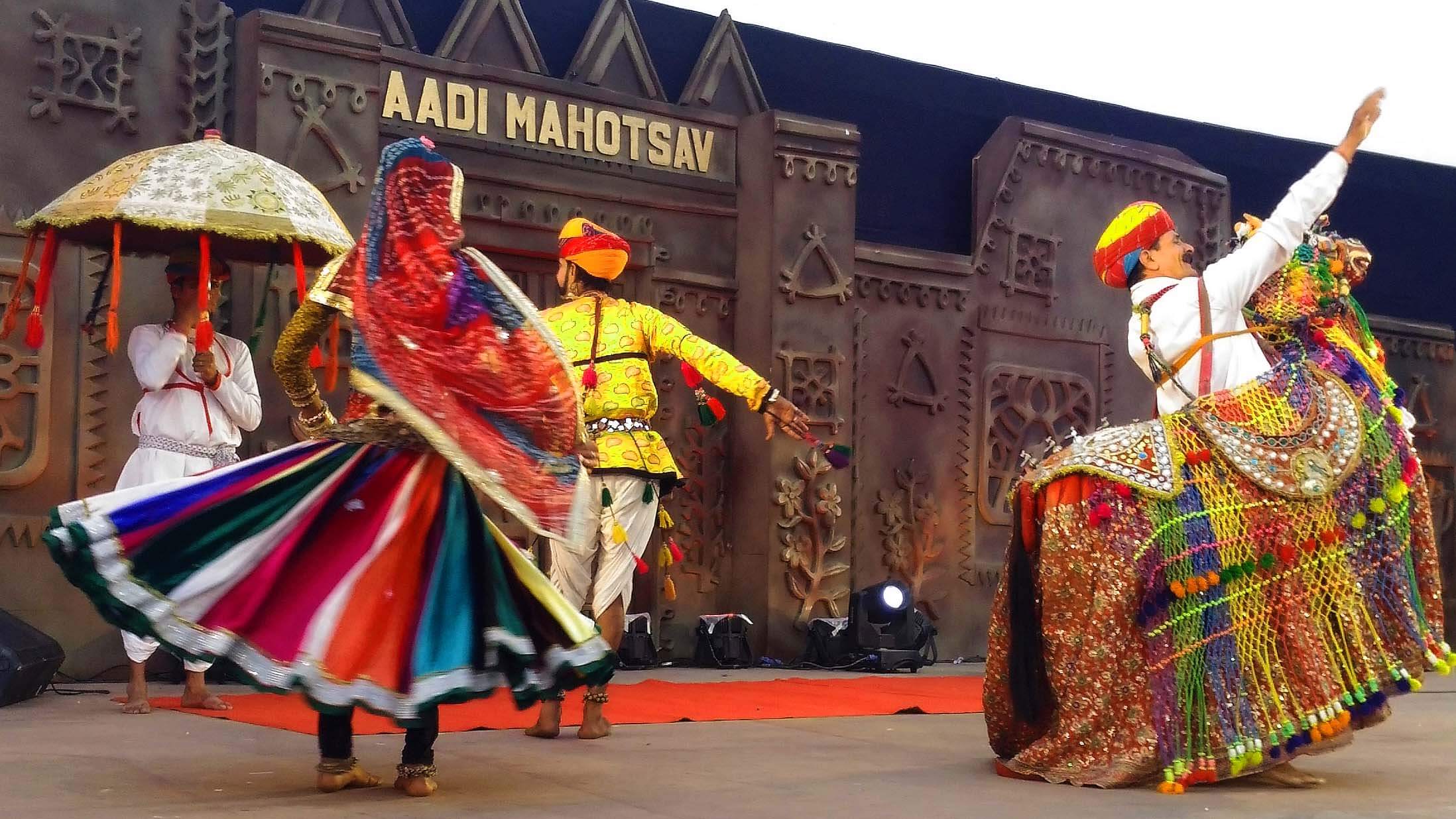
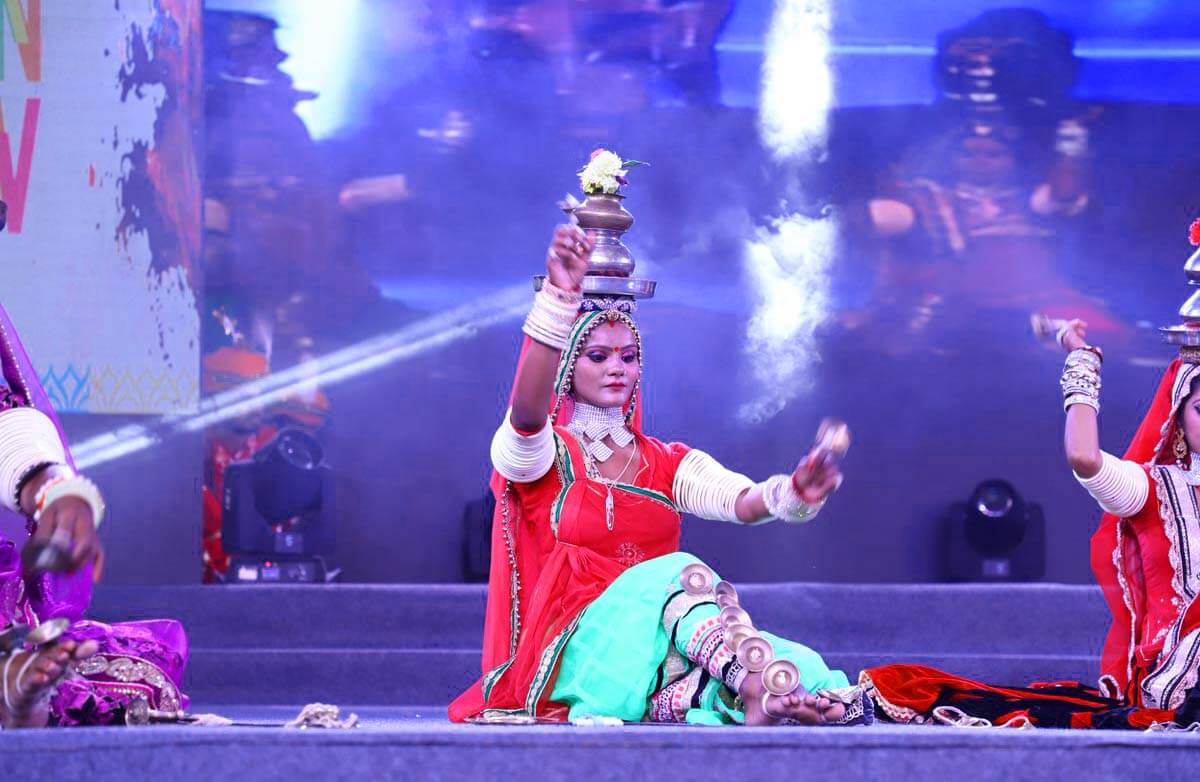
The Kalbeliya Dance of Rajasthan is an extraordinary traditional folk dance that has captivated audiences worldwide with its hypnotic serpentine movements and vibrant cultural expressions. Performed by the Kalbeliya community, also known as snake charmers, this ancient dance form represents centuries of nomadic traditions and spiritual connections with nature. Recognized by UNESCO in 2010 as an Intangible Cultural Heritage of Humanity, the Kalbeliya Dance stands as a testament to Rajasthan's rich artistic legacy. With its flowing black costumes adorned with mirror work, rapid spinning movements, and traditional folk music, this dance has become a global symbol of Indian folk artistry. Today, the Kalbeliya Dance continues to enchant audiences at international festivals, royal weddings, and cultural celebrations, preserving an irreplaceable piece of Rajasthani heritage.
History of Kalbeliya Dance
The Kalbeliya Dance traces its origins to the Kalbeliya tribe, a nomadic community traditionally known as snake charmers or 'Sapera' who have wandered across the Thar Desert of Rajasthan for centuries. These tribal people developed a unique cultural identity centered around their relationship with snakes, which they revered and handled with remarkable skill. The dance emerged as a reflection of their lifestyle, mimicking the graceful and sinuous movements of serpents through fluid body motions and circular patterns.
Historically, the Kalbeliya community performed this dance during celebrations, festivals, and as entertainment at village gatherings. The women of the tribe were the primary performers, using dance as a form of storytelling and cultural expression. The traditional dance of Rajasthan evolved over generations, incorporating elements of their nomadic experiences, spiritual beliefs, and daily interactions with nature. The mesmerizing spinning and snake-like movements became signature characteristics that distinguished Kalbeliya from other folk dances of Rajasthan.
The dance gained international recognition in the late 20th century when cultural preservation efforts highlighted the importance of tribal arts. In 2010, UNESCO inscribed the Kalbeliya folk songs and dances of Rajasthan on the Representative List of the Intangible Cultural Heritage of Humanity, acknowledging its cultural significance and the need for preservation. This recognition transformed Kalbeliya from a regional tribal performance into a celebrated art form on the world stage. Today, professional Rajasthani Kalbeliya dancers perform at prestigious venues globally, from international folk festivals to royal weddings, earning admiration for their skill and artistry. The dance has become an ambassador of Indian culture, representing the rich diversity of Rajasthan's folk traditions while providing livelihood opportunities for the Kalbeliya community. Despite modernization, the essence of this ancient dance remains intact, continuing to mesmerize audiences with its authentic representation of tribal heritage and serpentine grace.
Costumes & Makeup in Kalbeliya Dance
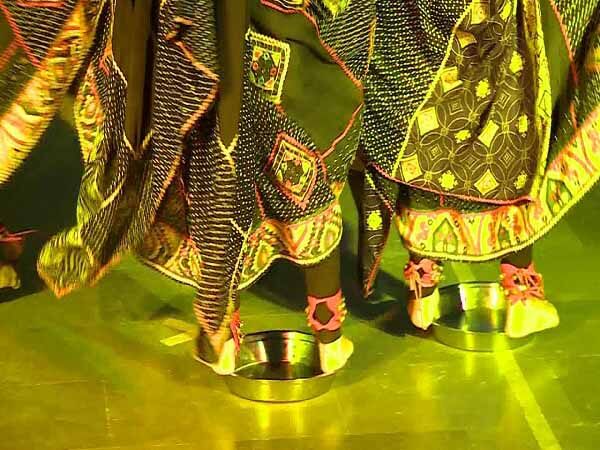
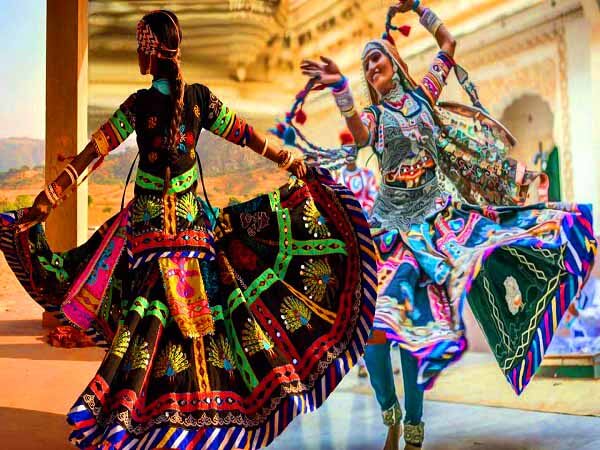
The costume of Kalbeliya Dance is a breathtaking visual spectacle that symbolizes the serpent through its design and movement. Female dancers wear distinctive black ghagras (long swirling skirts) that can span up to 10-12 meters in circumference, creating dramatic circular patterns during spins. The predominantly black fabric represents the dark skin of cobras and is heavily embellished with intricate silver embroidery, red thread work, and hundreds of tiny mirrors (shisha) that catch light with every movement, creating a hypnotic shimmering effect reminiscent of snake scales.
The traditional attire includes a fitted black choli (blouse) and an odhni (veil) that dancers manipulate gracefully during performances. The Rajasthani Kalbeliya dancers adorn themselves with elaborate silver jewelry including heavy necklaces, bangles covering the entire forearm, anklets with bells, nose rings, and ear ornaments. These accessories produce rhythmic sounds that complement the dance movements and musical accompaniment.
The mirror work on the costume serves both aesthetic and symbolic purposes – the reflection of light represents the mystical nature of snakes and the spiritual connection the Kalbeliya community maintains with these creatures. The swirling black skirt becomes the central visual element, creating mesmerizing patterns as dancers execute their signature rapid spinning movements. Makeup is typically bold with dark kohl-lined eyes, red lips, and decorative bindis, enhancing facial expressions that are crucial to the storytelling aspect of the dance. The complete ensemble transforms performers into living embodiments of serpentine beauty, making the Kalbeliya Dance of Rajasthan one of the most visually stunning folk dance performances in Indian cultural heritage. Modern performances may include slight variations in colors and designs, but the core elements – black base, mirror work, and traditional silver jewelry – remain essential to maintaining the dance's authentic tribal character.
Traditional Instruments Used
The soul of Kalbeliya Dance lies in its distinctive musical accompaniment, performed using traditional instruments that create haunting melodies and rhythmic beats perfectly synchronized with the dancers' movements. These instruments, played by skilled musicians from the Kalbeliya community, form an integral part of the performance experience.
Poongi (Been)
The poongi, also called been, is the signature wind instrument of snake charmers. Made from dried gourd and bamboo, it produces the characteristic droning melody associated with snake charming and Kalbeliya performances. The haunting notes create the mystical atmosphere essential to the dance.
Dholak
The dholak is a two-headed hand drum that provides the primary rhythmic foundation for Kalbeliya Dance. Played with hands on both sides, it creates varying tones and beats that guide the dancers' movements, from slow graceful gestures to rapid spinning sequences.
Khanjari
The khanjari is a traditional tambourine-like percussion instrument with metal jingles. Women singers often play this while singing folk songs, adding layers of rhythmic complexity and creating the jingling sounds that complement the ankle bells worn by dancers.
Morchang
The morchang (jaw harp) is a small instrument held against the teeth, producing a twanging resonant sound. It adds a unique tonal texture to Kalbeliya music and is often used during specific dance sequences to emphasize rhythmic patterns.
Harmonium
In contemporary performances, the harmonium (hand-pumped keyboard) is sometimes incorporated to provide melodic support and sustained notes. While not traditionally used by the nomadic Kalbeliya tribe, it has become accepted in modern stage presentations.
The combination of these instruments creates a rich soundscape that ranges from slow, meditative melodies to fast-paced, energetic rhythms. The music gradually builds in tempo during performances, driving the dancers to increasingly rapid spins and complex movements that showcase their stamina and skill.
Kalbeliya Dance Steps & Performance Style
The Kalbeliya Dance of Rajasthan is characterized by its distinctive serpentine movements that mimic the graceful slithering and swaying of snakes. The performance style is highly improvisational, with dancers responding intuitively to the music's rhythm and tempo. What sets Kalbeliya apart from other folk dances of Rajasthan is its emphasis on flexibility, rapid spins, and fluid body isolations that create the illusion of boneless movement.
Snake-Like Circular Movements
The foundational technique involves undulating body movements that flow from head to toe, resembling a cobra's swaying motion. Dancers execute graceful arm waves, torso rotations, and hip movements with extraordinary fluidity. The spine becomes highly flexible through years of practice, allowing performers to create the signature serpentine curves that define the dance. Hand gestures (mudras) often mimic a snake's hood spreading or striking motion.
Fast Spins and Pirouettes
The most spectacular element of Kalbeliya is the rapid spinning sequences where dancers rotate continuously at increasing speeds. Starting with slow, controlled turns, the tempo accelerates dramatically, with the voluminous black skirt creating mesmerizing circular patterns. Professional Rajasthani Kalbeliya dancers can execute hundreds of continuous spins without losing balance, demonstrating exceptional core strength and spatial awareness. The spinning represents the hypnotic quality of a snake's movement.
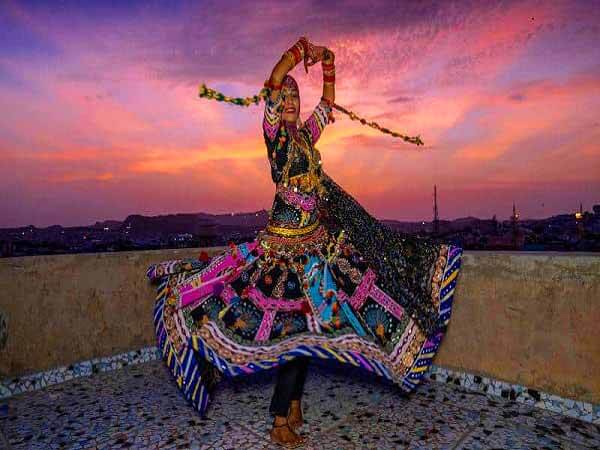
Graceful Hip and Shoulder Movements
Hip isolations and shoulder shimmies add layers of complexity to the performance. These movements are executed with remarkable precision while maintaining the upper body's graceful posture. The dancer's torso moves independently from the legs, creating multiple focal points of motion. The shoulder movements often synchronize with the khanjari's rhythm, while hip circles accentuate the dholak's deeper beats.
Group Formations and Interactions
Traditional performances often feature multiple dancers creating dynamic group formations. They may dance in circles, lines, or scattered patterns, sometimes interacting through mirrored movements or call-and-response sequences. Solo performances showcase individual artistry, while group dances emphasize community bonds and collective energy. The dancers maintain eye contact with musicians, responding to musical cues with split-second timing.
Stage Presence and Expression
Beyond technical skill, Kalbeliya dancers captivate audiences through powerful stage presence and emotional expression. Facial expressions range from serene and mystical to intense and passionate, conveying stories without words. The dance can express joy, celebration, spirituality, or the eternal dance between humans and nature. Professional performers develop a magnetic quality that holds audience attention throughout performances lasting 15-30 minutes. The finale typically features the fastest spinning sequences, leaving spectators breathless with admiration for the dancers' stamina and artistry.