Dollu Kunitha Dance Troupe
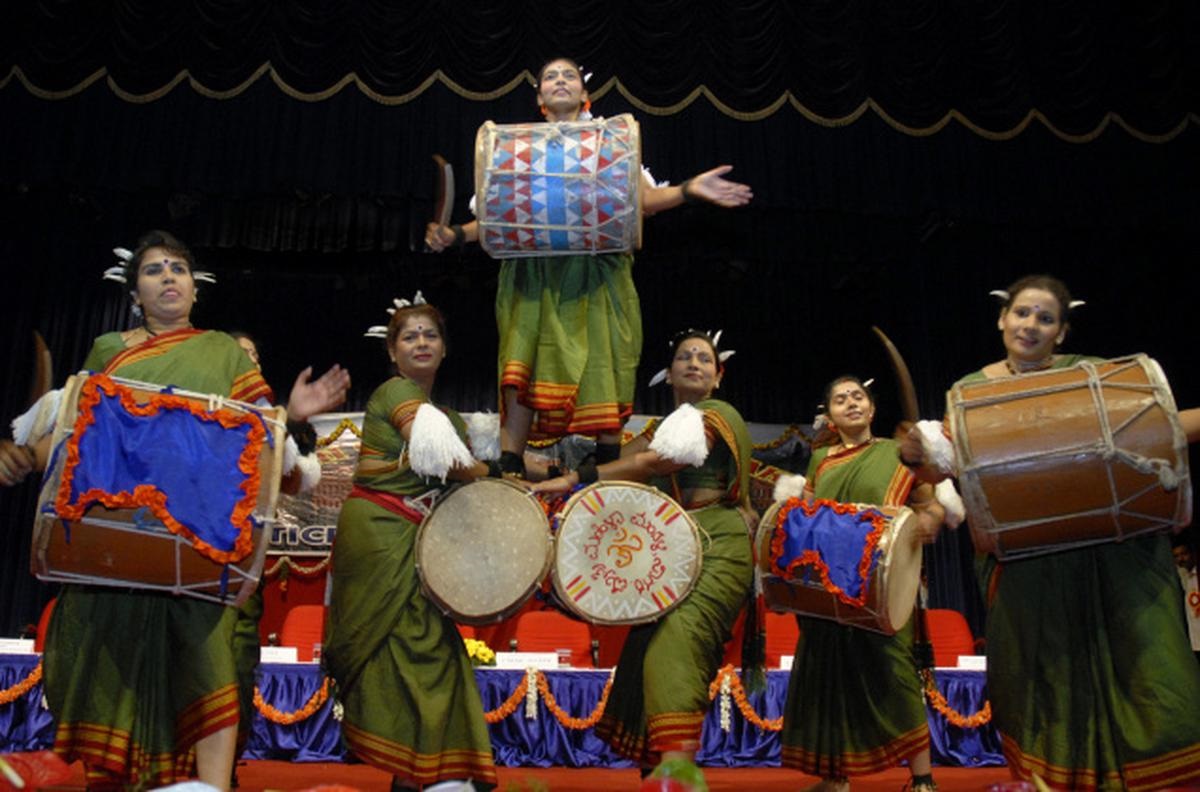
Dollu Kunitha is one of the most vibrant and energetic folk dance forms of Karnataka, and a Dollu Kunitha dance troupe plays a vital role in keeping this powerful tradition alive. Rooted in the cultural heritage of the Kuruba community, Dollu Kunitha is performed with large drums called dollu, creating thunderous rhythms that echo strength, unity, and devotion. Traditionally performed in temples and village festivals, this dance has now become a symbol of Karnataka’s folk identity on national and international stages.
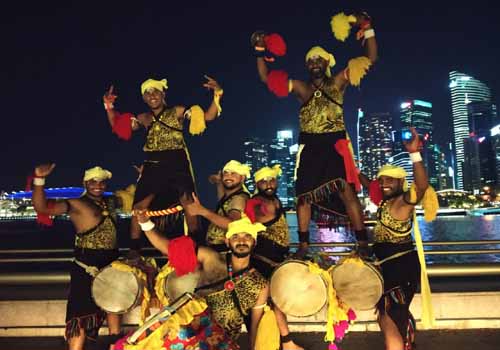
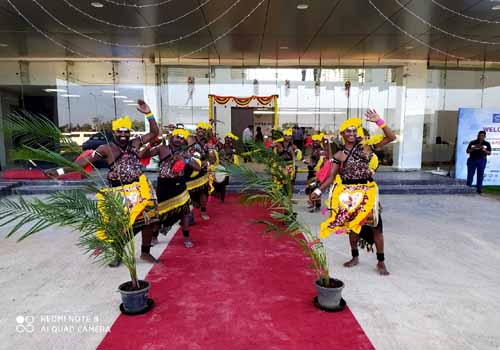
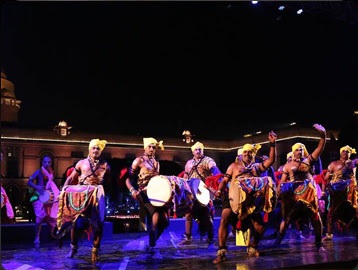
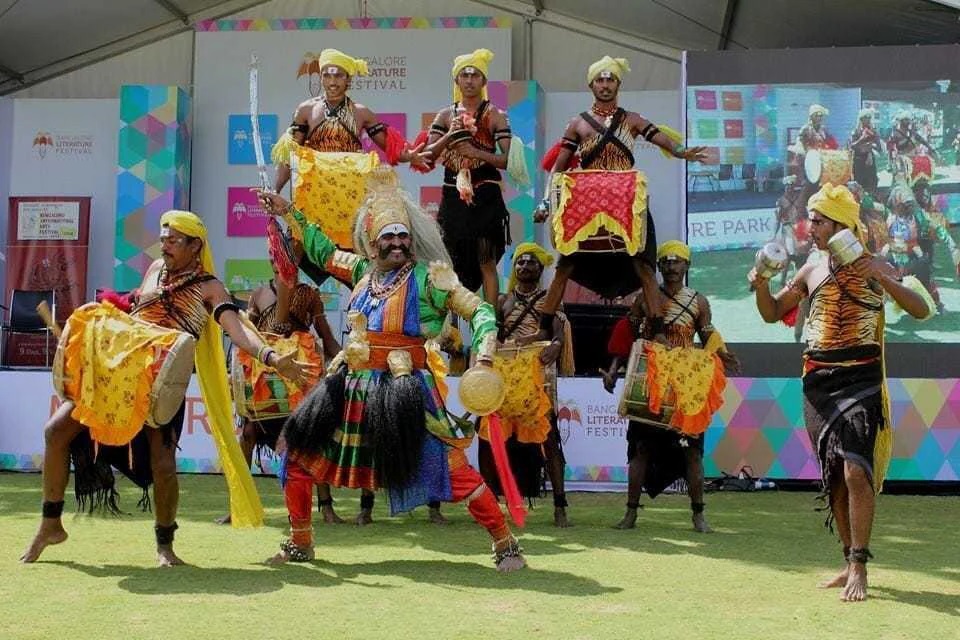
Dollu Kunitha dance troupe usually consists of 15 to 20 performers who move in dynamic formations such as circles and lines. The dancers wear traditional attire, often including colorful turbans, bare chests, and dhotis, giving the performance an authentic and striking visual appeal. Each dancer carries a heavy drum tied around the waist and beats it in perfect synchronization with the rhythm leader, known as the gowda. The powerful beats combined with vigorous footwork create a performance that is both visually captivating and emotionally uplifting.
Modern Dollu Kunitha troupes are not just cultural performers; they are cultural ambassadors. Many troupes travel across cities, schools, colleges, weddings, and cultural festivals to showcase this ancient art form. They also play an important role in educating younger generations about folk traditions, discipline, teamwork, and cultural pride. Some troupes even blend traditional Dollu Kunitha with contemporary choreography to appeal to modern audiences while still respecting its roots.
By supporting a Dollu Kunitha dance troupe, people help preserve an important part of India’s intangible cultural heritage. These troupes ensure that the powerful rhythm of Dollu Kunitha continues to inspire, entertain, and connect people to Karnataka’s rich folk traditions for generations to come.
Photo & Video Gallery
Frequently Asked Questions
What is Dollu Kunitha Dance?
Dollu Kunitha Dance is a powerful traditional folk dance of Karnataka, India. It is known for its energetic drum beats and synchronized movements performed mainly by men. The dance showcases strength, rhythm, and community spirit.
Which region is Dollu Kunitha Dance associated with?
Dollu Kunitha Dance originates from the northern parts of Karnataka, especially regions like Shimoga, Davanagere, and Chitradurga. It is deeply rooted in the rural culture of the state.
What does “Dollu” mean in Dollu Kunitha?
“Dollu” refers to a large drum made of wood and animal skin. This drum is tied around the dancer’s waist and played using hands or sticks during the performance.
On which occasions is Dollu Kunitha Dance performed?
Dollu Kunitha Dance is commonly performed during religious festivals, village fairs, temple celebrations, and cultural events. It is often associated with devotion to Lord Beeralingeshwara.
Who performs Dollu Kunitha Dance?
Traditionally, Dollu Kunitha Dance is performed by male dancers. A group usually includes several drummers and one lead performer who guides the rhythm and movements.
What kind of costumes are worn in Dollu Kunitha Dance?
Performers wear simple yet striking traditional attire, usually consisting of dhotis or lungis, bare upper bodies, and sometimes headgear. The focus remains on the drum and the powerful movements.
What makes Dollu Kunitha Dance unique?
The intense drumming patterns, fast footwork, disciplined formations, and dramatic pauses make Dollu Kunitha Dance unique. The coordination between sound and movement creates a thrilling visual experience.
Is Dollu Kunitha Dance still practiced today?
Yes, Dollu Kunitha Dance is still actively practiced and promoted in Karnataka. It is also showcased at national and international cultural festivals to preserve and spread awareness of this folk art.
Can Dollu Kunitha Dance be learned today?
Yes, many cultural academies and folk art groups offer training in Dollu Kunitha Dance. Learning the dance requires physical stamina, rhythm sense, and dedication.
Why is Dollu Kunitha Dance important to Indian culture?
Dollu Kunitha Dance represents the rich folk heritage of Karnataka. It reflects devotion, unity, and the traditional lifestyle of rural communities, making it an important part of India’s cultural identity.
Related States & Popular Folk Styles
Explore folk dance traditions from other regions of India:
Contact & Quick Quote
Ready to book authentic Karnataka folk dancers for your event? Contact us today for a personalized quote and event planning consultation.
Delhi Office
Address: Plot No.2, 1st Floor, Street No.7, A Block, West Sant Nagar, Burari, Landmark – Rani Public School, Delhi – 110084
Phone: +91-9355056666
Bangalore Office
Address: 102/7, Silver County Rd, Kudlu, Bengaluru, Karnataka 560068
Phone: +91-9611904473
Patna Office
Address: Flat No. 1, 2nd Floor, Patna
Email: info@anantagroup.com