About the Baul Folk Dance of West Bengal
Baul Folk Dance Troupe – The Soulful Voice of Bengal
The Baul Folk Dance Troupe represents one of India’s most spiritually rich and emotionally powerful folk traditions. Originating from the rural heartlands of Bengal, Baul dance is not just a performance—it is a living philosophy expressed through music, movement, and deep devotion. A Baul troupe carries forward centuries-old wisdom that speaks of humanity, love, and inner freedom.
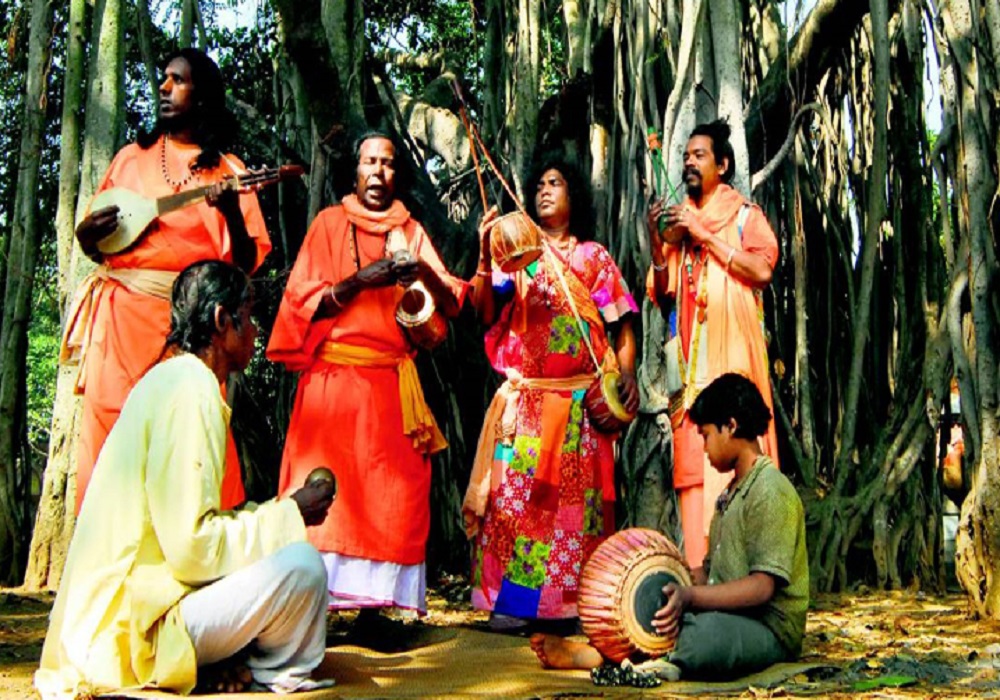
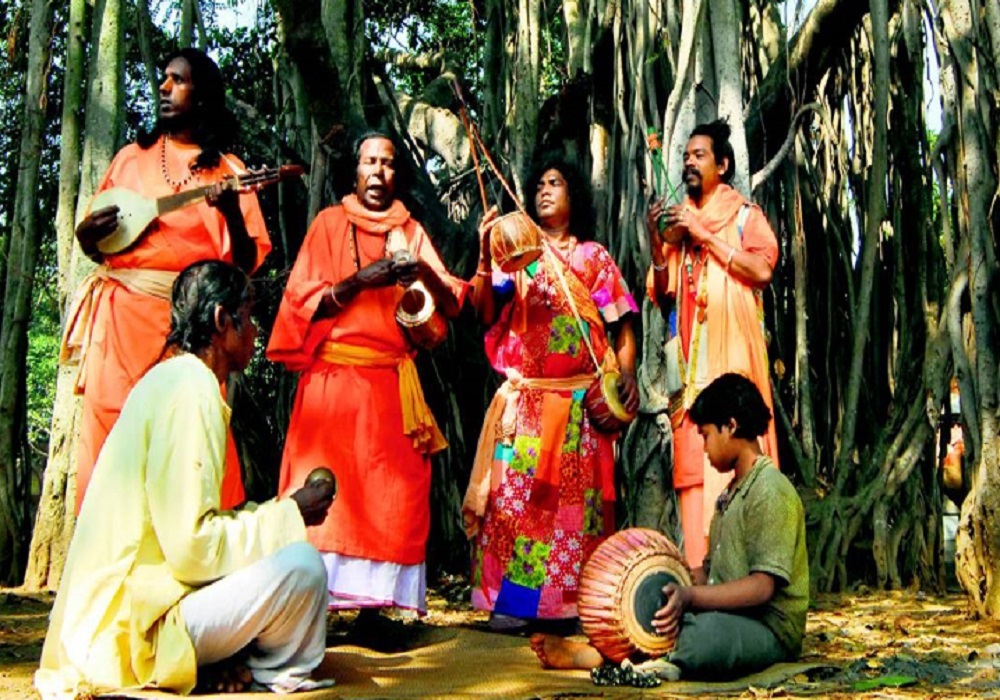
Baul performers are known for their simple saffron or white attire, flowing hair, and expressive body language. The dance is closely connected with Baul songs, which are sung in a raw, soulful voice accompanied by traditional instruments like the ektara, duggi, khamak, and dotara. The movements are gentle yet rhythmic, allowing the performer to connect with the audience on an emotional and spiritual level.
A professional Baul Folk Dance Troupe usually consists of singers, instrumentalists, and dancers who perform in perfect harmony. Their performances narrate stories of life, divine love, and the search for truth. Unlike fast-paced folk dances, Baul dance focuses on expression, meaning, and inner feeling, making it deeply moving and memorable.
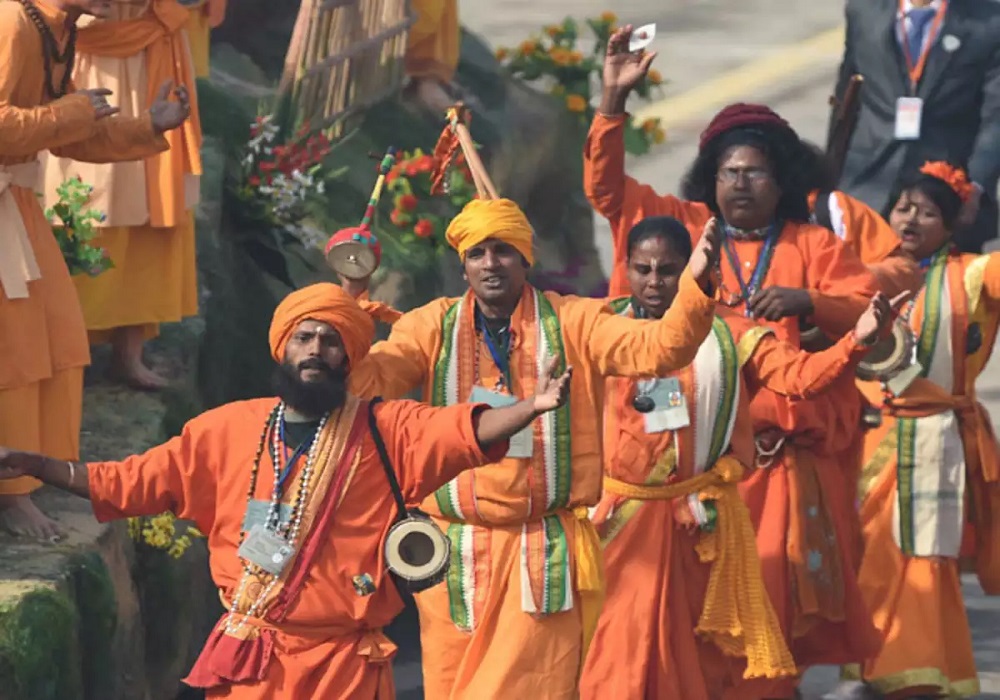
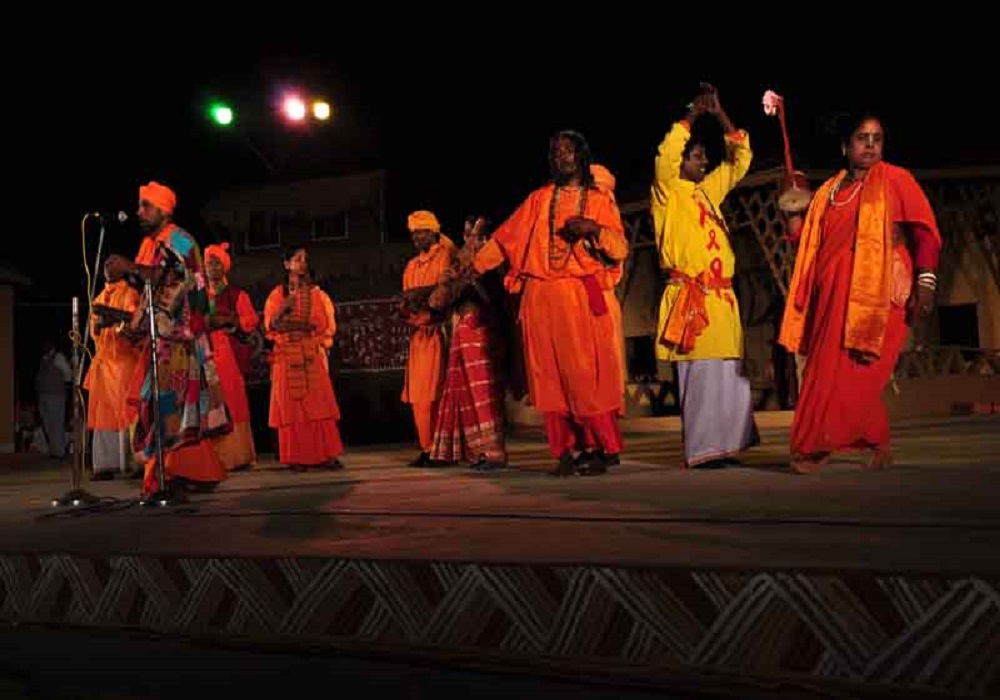
Baul troupes are widely invited to cultural festivals, folk fairs, spiritual gatherings, heritage events, and stage shows across India and abroad. Their performances add a peaceful and meaningful atmosphere to any event. Audiences from all age groups appreciate Baul dance for its simplicity, authenticity, and powerful message of unity beyond caste, religion, or status.
Today, Baul Folk Dance Troupes also play an important role in preserving India’s intangible cultural heritage. By training young artists and performing on modern platforms, they keep this ancient tradition alive while staying true to its original spirit.
If you are looking to showcase authentic Indian folk culture, a Baul Folk Dance Troupe offers a rare and enriching experience—one that touches the soul and leaves a lasting impression.
Baul Dance of West Bengal - Photo & Video Gallery
FAQs About the Baul Folk Dance of West Bengal
What is Baul Folk Dance?
Baul Folk Dance is a traditional dance form associated with the Baul community of Bengal, mainly found in West Bengal (India) and Bangladesh. It is deeply connected with Baul music and philosophy, expressing spiritual ideas through simple movements, singing, and musical instruments.
Who are the Bauls?
Bauls are wandering mystic minstrels who believe in spiritual freedom and the search for the divine within oneself. They do not follow rigid religious boundaries and spread messages of love, humanity, and harmony through their songs and dance performances.
Is Baul Folk Dance a religious dance?
Baul Folk Dance is spiritual rather than strictly religious. It blends elements of devotion, mysticism, and philosophy. The dance reflects inner joy, self-realization, and the connection between the human soul and the universal spirit.
What are the main features of Baul Folk Dance?
The dance is simple and expressive, focusing on natural body movements rather than complex steps. Performers often dance while singing Baul songs, creating a soulful and engaging experience. The expressions and gestures carry deep emotional and philosophical meaning.
Which musical instruments are used in Baul Folk Dance?
Common instruments used include the Ektara (one-stringed instrument), Dotara, Duggi (small drum), Khamak, and Manjira. These instruments create rhythmic and melodic support for the dance and songs.
What costumes are worn in Baul Folk Dance?
Baul dancers usually wear simple, traditional attire. Men often wear saffron or white long robes with a turban, while women wear plain sarees. The simplicity of the costume reflects the Baul lifestyle and philosophy of minimalism.
On which occasions is Baul Folk Dance performed?
Baul Folk Dance is performed during cultural festivals, folk fairs, spiritual gatherings, rural celebrations, and stage shows. It is also showcased at national and international cultural events to promote Indian folk heritage.
Can Baul Folk Dance be performed on stage?
Yes, Baul Folk Dance is widely performed on stage while maintaining its traditional essence. Folk dance troupes often adapt the performance for audiences without losing its spiritual and cultural authenticity.
Why is Baul Folk Dance important in Indian culture?
Baul Folk Dance is important because it preserves the philosophical teachings and musical traditions of the Baul community. It represents India’s rich folk culture and promotes values like simplicity, love, and universal brotherhood.
Is Baul Folk Dance popular today?
Yes, Baul Folk Dance continues to be popular among folk art lovers and cultural organizations. Efforts by artists, researchers, and cultural institutions have helped keep this beautiful tradition alive for future generations.
Related States & Popular Folk Styles
Explore folk dance traditions from other regions of India:
Book Baul Dance of West Bengal in Delhi - Contact & Quick Quote
Ready to book authentic Baul dancers for your event? Contact us today for a personalized quote and event planning consultation.
Delhi Office
Address:
Plot No.2, 1st Floor, Street No.7, A Block,
West Sant Nagar, Burari, Landmark – Rani Public School,
Delhi – 110084
Phone: +91-9355056666
Bangalore Office
Address:
102/7, Silver County Rd, Kudlu,
Bengaluru, Karnataka 560068
Phone: +91-9611904473