Ghoomar Folk Dance Troupe - The Crown Jewel of Rajasthan Folk Dance
Ghoomar Dance of Rajasthani Dance stands as one of the most enchanting and culturally significant traditional dance forms of India. This mesmerizing folk dance, performed predominantly by women, embodies the grace, elegance, and vibrant spirit of Rajasthani culture. Characterized by graceful pirouettes, swirling movements, and colorful attire, Ghoomar is not just a dance but a celebration of womanhood, tradition, and the rich cultural tapestry of Rajasthan. To explore more traditional performances, visit our comprehensive guide on
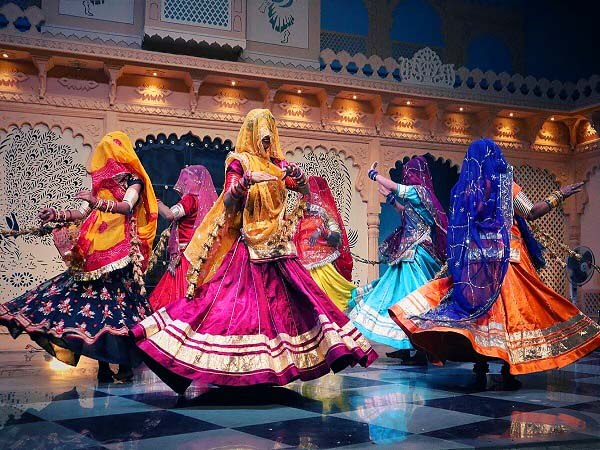
The name "Ghoomar" is derived from the word "ghoomna," which means to twirl or spin. True to its name, this Rajasthan folk dance features dancers performing graceful circular movements, spinning elegantly in their flowing ghagras (traditional skirts). The synchronized spins create a visual spectacle of colors and patterns, captivating audiences with their rhythmic beauty. Originally performed during festivals, weddings, and auspicious occasions, Ghoomar has evolved into a symbol of Rajasthani identity and cultural pride.
What makes the Ghoomar Dance of Rajasthan truly special is its ability to blend artistic expression with cultural storytelling. Through intricate footwork, hand gestures, and graceful movements, dancers narrate tales of Rajasthan's royal heritage, desert landscapes, and traditional values. The dance is typically accompanied by traditional folk songs that celebrate the beauty of Rajasthan, its people, and their way of life. Today, this traditional dance of Rajasthan has gained international recognition, showcasing the timeless beauty of Indian folk art on global platforms while remaining deeply rooted in its cultural origins. Learn about other
The Essence of Rajasthani Dance Form
Ghoomar represents more than just a dance performance; it is a living tradition that has been passed down through generations. As one of the most celebrated dance forms of Rajasthan, it reflects the state's royal heritage and the dignity of Rajasthani women. The dance is traditionally performed by women of the Bhil community and was later adopted by the royal Rajput families, becoming an integral part of courtly celebrations and festivities.
The beauty of this Rajasthani folk dance form lies in its simplicity and grace. Unlike many classical dance forms that require years of rigorous training, Ghoomar is accessible to dancers of all skill levels while maintaining its artistic integrity. The movements are fluid and natural, emphasizing grace over technical complexity, making it a dance that celebrates feminine beauty and cultural pride.
History & Cultural Significance of Ghoomar
Ancient Origins and Royal Patronage
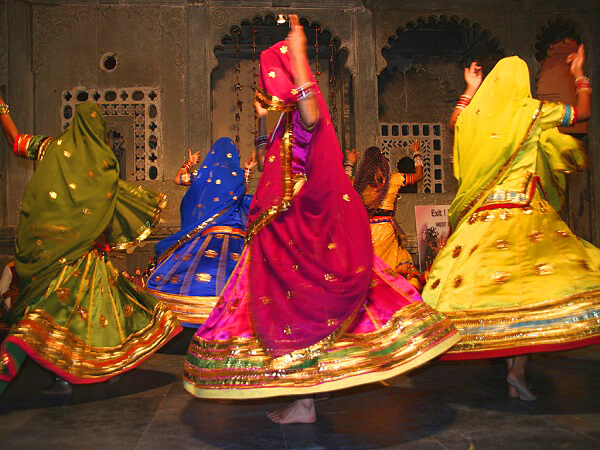
The history of Ghoomar Dance traces back centuries to the tribal communities of Rajasthan, particularly the Bhil tribe, who performed this dance as part of their cultural and religious ceremonies. The dance was originally a ritualistic performance dedicated to Goddess Sarasvati and was performed during harvest festivals and other significant occasions. Over time, the royal Rajput families of Rajasthan adopted this folk tradition, elevating it to the status of a courtly dance.
During the medieval period, Ghoomar became an essential part of royal celebrations in Rajasthan's palaces. Rajput queens and princesses performed this dance to welcome brides into the family and to celebrate festivals like Teej, Gangaur, and Holi. The royal patronage transformed Ghoomar from a tribal dance into a sophisticated art form while retaining its folk essence. The dance became a symbol of honor, grace, and the cultural refinement of Rajasthani royalty.
Cultural Significance in Modern Times
Today, the Ghoomar Dance of Rajasthan holds immense cultural significance as a symbol of Rajasthani identity and pride. It is performed at weddings, festivals, and cultural events across Rajasthan and has become an integral part of the state's tourism appeal. The dance represents the spirit of celebration, joy, and community bonding that characterizes Rajasthani culture.
In 2010, UNESCO recognized Ghoomar as part of the Intangible Cultural Heritage of Humanity, acknowledging its importance in preserving traditional art forms and cultural diversity. This international recognition has helped promote the Rajasthan folk dance on global platforms, attracting cultural enthusiasts and tourists from around the world. The dance has also been featured in numerous Bollywood films, most notably in the blockbuster movie "Padmaavat," where the song "Ghoomar" became a cultural phenomenon, introducing this traditional dance form to millions of viewers worldwide. Explore other
Costume, Music & Performance of Ghoomar
Traditional Ghoomar Dance Costumes
The traditional costume worn during Ghoomar performances is a visual spectacle that embodies the vibrant colors and rich textile heritage of Rajasthan. Female dancers adorn themselves in traditional Rajasthani attire consisting of a ghagra (long, flowing skirt), choli (fitted blouse), and odhni (veil). These garments are typically made from silk, cotton, or georgette fabrics and feature intricate mirror work, embroidery, and colorful patterns that reflect the desert landscape and cultural aesthetics of Rajasthan.
The ghagra is the most distinctive element of the Ghoomar costume, often measuring up to 15 meters in circumference. The voluminous skirt creates dramatic visual effects when dancers perform their signature spinning movements. Traditional colors include vibrant shades of red, orange, yellow, pink, and green, often adorned with gold or silver embellishments. The odhni, draped gracefully over the head and shoulders, adds an element of modesty and elegance to the overall appearance.
Traditional Jewelry and Ornaments
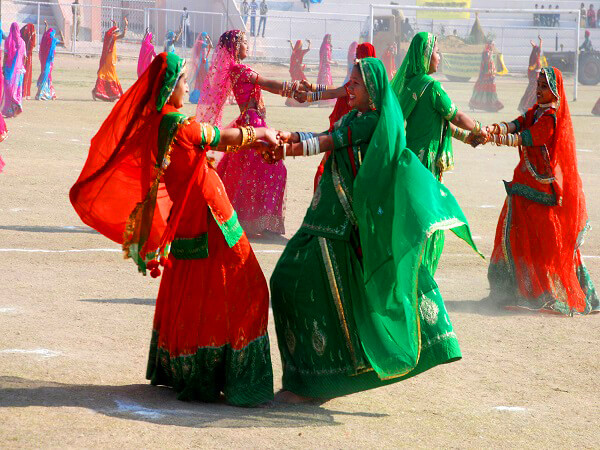
Jewelry plays a crucial role in completing the Ghoomar dance costume. Dancers wear traditional Rajasthani jewelry including:
- Borla: A traditional forehead ornament that dangles elegantly
- Necklaces: Multiple layers including hansli (choker) and longer necklaces
- Bangles: Colorful glass bangles and metal kadas worn on both arms
- Anklets (Payal): Silver anklets that create rhythmic sounds during dance
- Nose Ring (Nath): A traditional ornament symbolizing grace and beauty
- Earrings (Jhumkas): Large, ornate earrings that complement the overall look
Music and Instruments

The music accompanying Ghoomar Dance is as integral to the performance as the dance itself. Traditional folk songs, sung in the Rajasthani dialect, provide the rhythmic foundation for the dance. These songs often celebrate the beauty of Rajasthan, its landscapes, festivals, and the joy of life. The lyrics typically praise the courage of Rajput warriors, the beauty of Rajasthani women, and the cultural heritage of the region.
The musical ensemble for Ghoomar performances includes traditional Rajasthani instruments such as dholak (double-headed drum), tabla (percussion), harmonium, shehnai (wind instrument), and manjira (cymbals). The rhythmic beats create an infectious energy that drives the dancers' movements and engages the audience. The tempo gradually increases as the performance progresses, reaching a crescendo that showcases the dancers' skill and stamina.
Steps & Movements of Ghoomar Dance
Basic Dance Technique
The fundamental movement of Ghoomar Dance involves graceful pirouettes performed in a circular motion. Dancers spin clockwise, creating a mesmerizing visual effect as their ghagras flare out in circular patterns. The spinning is synchronized with the rhythm of the music, typically accelerating as the performance progresses. Despite the continuous spinning, dancers maintain perfect balance and grace, demonstrating remarkable control and skill.
Spinning Technique
The signature spinning movement is performed with arms slightly raised and gracefully extended. Dancers maintain a steady center of balance while rotating continuously, creating hypnotic circular patterns with their flowing costumes.
Hand Gestures (Mudras)
While spinning, dancers incorporate elegant hand movements and gestures that enhance the visual appeal. Arms are raised gracefully, sometimes clapping in rhythm, or performing traditional mudras that convey emotions and storytelling elements.
Footwork Patterns
The footwork in Ghoomar is relatively simple yet effective, consisting of small, rhythmic steps that maintain the spinning motion. Dancers move in circular formations, sometimes creating intricate group patterns that showcase collective coordination.
Group Formations
Ghoomar is typically performed in groups, with dancers forming circles or lines. The collective movement creates a powerful visual impact, with synchronized spinning and formations that demonstrate unity and cultural harmony.
Performance Dynamics
A typical Ghoomar performance begins with slow, graceful movements that gradually build in intensity and speed. The dancers start with measured spins, allowing the audience to appreciate the beauty of the costumes and the elegance of the movements. As the music accelerates, the spinning becomes faster and more vigorous, showcasing the dancers' stamina and skill. The performance reaches its climax with rapid, synchronized spins that create a dazzling display of colors and motion, leaving the audience captivated and energized.
Regional Variations & Styles of Ghoomar
Different Forms Across Rajasthan
While the basic structure of Ghoomar remains consistent across Rajasthan, different regions have developed their own unique variations of this traditional dance form. Each variation reflects the local culture, dialect, and artistic sensibilities of its region, contributing to the rich diversity of Rajasthani folk dance traditions.
Jaipur Style: The Jaipur variation is characterized by its royal elegance and refined movements. This style, influenced by the courtly traditions of the Jaipur royal family, emphasizes grace and sophistication. The costumes are particularly elaborate, featuring extensive mirror work and fine embroidery that reflect the city's renowned jewelry and textile craftsmanship.
Udaipur Variation: In Udaipur, Ghoomar incorporates elements that celebrate the city's lakeside beauty and Mewar heritage. The dance often includes slower, more deliberate movements that emphasize the storytelling aspect, with songs that praise the lakes, palaces, and romantic legends of Udaipur. Discover more about

Contemporary Adaptations
In recent years, Ghoomar has been adapted for various contemporary contexts while maintaining its traditional essence. Modern choreographers have incorporated elements of Ghoomar into fusion performances, blending it with contemporary dance styles and classical Indian dance forms. These adaptations have helped introduce Ghoomar to younger generations and international audiences, ensuring the continued relevance and evolution of this traditional art form.
The Bollywood film industry has played a significant role in popularizing contemporary versions of Ghoomar. The song "Ghoomar" from the movie Padmaavat became a cultural sensation, introducing millions to this traditional dance form. While the film version featured cinematic enhancements and larger-than-life production values, it remained faithful to the core elements of traditional Ghoomar, sparking renewed interest in learning and preserving this cultural heritage.