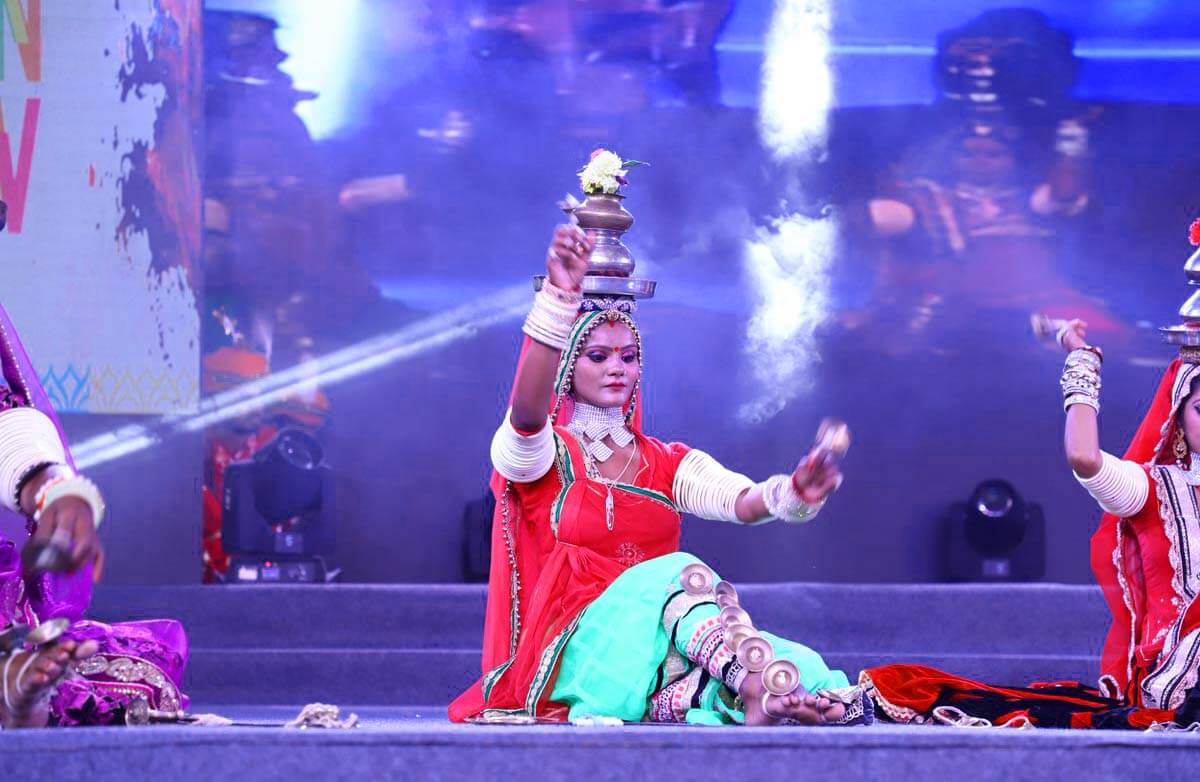
History & Cultural Significance of Kawadi Dance
The Kawadi Dance of Rajasthan has its roots deeply embedded in the tribal and religious traditions of Rajasthan, particularly among the Bhil and Meena communities. The dance form evolved from the ancient Hindu practice of Kawad Yatra (pilgrimage), where devotees would carry holy water from sacred rivers like the Ganges to offer to Lord Shiva at temples. Over centuries, this religious practice transformed into a cultural performance art that preserves the spiritual significance while showcasing the artistic talents of tribal communities.
Historically, the Kawadi Dance was performed during the holy month of Shravan (July-August) when devotees would undertake arduous journeys carrying kawads filled with Gangajal to Shiva temples. The journey was considered a sacred vow (sankalp), and the act of carrying the kawad while dancing represented both penance and celebration. The tribal communities of Rajasthan adopted this tradition and enriched it with their own cultural elements, creating a unique dance form that combines religious devotion with folk artistry.
Devotional Origins
Kawadi Dance originated from Hindu pilgrimage traditions dedicated to Lord Shiva, where devotees carry decorated structures with holy water as an offering and expression of faith.
Tribal Heritage
The Bhil and Meena tribal communities of Rajasthan transformed the religious pilgrimage into an artistic performance, adding their unique cultural expressions and folk traditions.
Sacred Journey
The dance symbolizes the spiritual journey of devotees traveling from sacred rivers to Shiva temples, representing penance, faith, and the seeking of divine blessings.
Religious Festivals
Traditionally performed during Shravan month, Maha Shivaratri, and other Shiva-related festivals, the dance creates an atmosphere of devotion and spiritual celebration.
Cultural Evolution & Preservation
Over time, the Kawadi Dance evolved from purely religious practice to become an important cultural performance showcased at festivals, weddings, and cultural events. While maintaining its sacred essence, the dance has been adapted for stage performances, allowing wider audiences to appreciate this unique art form. The decorated kawad structures have become more elaborate and artistic, with intricate designs, vibrant colors, and creative embellishments that showcase the craftsmanship of tribal artisans.
In contemporary times, efforts have been made to preserve and promote the Kawadi Dance as an integral part of Rajasthan's intangible cultural heritage. Government initiatives, cultural organizations, and folk dance troupes work to ensure that this ancient tradition continues to be passed down through generations. The dance is now performed at tourism events, cultural festivals, and educational programs, helping to raise awareness about tribal traditions and religious folk arts. Despite modernization, the Kawadi Dance maintains its spiritual core, serving as a living link between Rajasthan's past and present.
The Kawad - Sacred Structure & Artistic Decoration
The Kawad (also spelled Kawar) is the central element of the Kawadi Dance—a specially constructed wooden framework that dancers carry on their shoulders during the performance. This elaborate structure is both a sacred offering vessel and an artistic masterpiece that showcases the creativity and craftsmanship of tribal communities.
Wooden Framework
The kawad consists of a sturdy bamboo or wooden frame, typically 4-6 feet tall, designed to be balanced on the shoulders. The structure includes two vertical poles connected by horizontal supports.
Decorative Elements
Kawads are adorned with colorful cloth, ribbons, flowers (both fresh and artificial), peacock feathers, mirrors, bells, and sacred symbols like Om and trishul (trident), creating a visually stunning display.
Water Vessels
Traditional kawads include small pots or vessels (kalash) hung within the structure to carry holy water (Gangajal) from sacred rivers, symbolizing the purifying presence of divine grace.
Sound Elements
Bells, chimes, and jingling ornaments are attached throughout the kawad structure, creating melodious sounds that complement the dance movements and add to the devotional atmosphere.
Symbolism & Religious Significance
Every element of the kawad carries deep spiritual meaning. The vertical structure represents the connection between earth and heaven, the devotee's aspiration to reach the divine. The flowers and colorful decorations symbolize the beauty of devotion and the joy of serving the deity. The water vessels represent purity and the sacred rivers that are sources of spiritual cleansing. The bells and chimes invoke the presence of the divine and ward off negative energies.
Craftsmanship & Regional Variations
The art of making kawads is passed down through generations within tribal communities. Skilled artisans spend hours crafting each kawad, ensuring it is both structurally sound and aesthetically beautiful. Regional variations exist in decoration styles—some kawads feature more elaborate floral arrangements, while others emphasize mirror work and textile art. In some regions, kawads are decorated with painted images of deities, particularly Lord Shiva and Goddess Parvati. The weight and size of kawads vary, with some ceremonial structures weighing up to 30-40 kilograms, testing the endurance and devotion of the dancers who carry them.
Performance Style & Dance Movements
The performance style of Kawadi Dance is characterized by a unique combination of devotional expression, physical endurance, and rhythmic grace. Unlike many other folk dances, Kawadi Dance requires performers to execute intricate movements while balancing a heavy, decorated structure on their shoulders, making it both a spiritual practice and an impressive display of skill.
Balance & Poise
Dancers must maintain perfect balance while carrying the kawad on their shoulders, executing steps, turns, and movements without dropping or disturbing the decorated structure—a testament to skill and devotion.
Rhythmic Footwork
The dance features measured, rhythmic steps synchronized with drum beats. Dancers move in procession-like formations, performing simple yet graceful steps that complement the devotional nature of the performance.
Synchronized Movement
When performed in groups, Kawadi dancers move in coordinated patterns, creating a mesmerizing visual spectacle. The synchronization represents the unity of devotees in their spiritual journey.
Musical Coordination
Dance movements are perfectly timed with devotional songs, drum beats, and the jingling of bells attached to the kawad, creating a harmonious blend of visual and auditory elements.
Dance Progression & Spiritual Journey
A typical Kawadi Dance performance follows a structured progression that mirrors the spiritual journey of devotees. The dance begins with a slow, reverent pace as dancers lift and position the kawads on their shoulders, symbolizing the beginning of the sacred journey. The tempo gradually increases, with more energetic movements representing the challenges and joys of the pilgrimage. Throughout the performance, dancers may kneel, sway, turn, and walk in circular or linear formations, all while maintaining the balance of their kawads.
Devotional Elements & Expression
The facial expressions and body language of Kawadi dancers convey deep devotion and spiritual ecstasy. Dancers often close their eyes or gaze upward, representing their focus on the divine. Some performers enter a trance-like state, reflecting the intense spiritual connection they feel during the performance. The dance becomes a moving meditation, a physical prayer offered through movement and endurance. This combination of physical challenge and spiritual devotion makes Kawadi Dance a unique and powerful form of religious folk art.
Musical Instruments & Devotional Songs
The music accompanying Kawadi Dance is primarily devotional in nature, featuring folk songs dedicated to Lord Shiva and traditional percussion instruments that create a spiritually uplifting atmosphere. The musical accompaniment enhances the religious significance of the performance while providing rhythmic support for the dancers.
Dholak (Double-Headed Drum)
The dholak provides the primary rhythmic foundation, producing steady beats that guide the dancers' movements and create a meditative, devotional pulse throughout the performance.
Nagara & Dhol
Larger drums like nagara and dhol add deeper, resonant tones that represent the cosmic sound of creation and add dramatic emphasis during climactic moments of the dance.
Manjira (Cymbals)
Small brass cymbals produce bright, ringing tones that punctuate the rhythm and add celebratory sounds to the devotional atmosphere, invoking the presence of the divine.
Devotional Songs (Bhajans)
Traditional bhajans and folk songs dedicated to Lord Shiva, sung in Rajasthani dialects, narrate stories of devotion, pilgrimage, and the glory of the deity, creating spiritual resonance.
Traditional Kawadi Songs
The songs performed during Kawadi Dance are ancient folk compositions passed down through generations. These songs typically describe the journey of Kawad Yatra, the devotion of Shiva bhakts (devotees), and the sacred significance of carrying Gangajal. Popular themes include references to Mount Kailash (Shiva's abode), the Ganges river, and stories from Shiva mythology. The lyrics often include devotional phrases like "Bol Bam" (Hail Shiva) and "Har Har Mahadev," creating a spiritually charged atmosphere that elevates both performers and audiences.
Kawadi Dance Image Gallery
Explore the spiritual and visual beauty of Kawadi Dance performances, showcasing the decorated kawad structures, devotional expressions, tribal traditions, and the cultural richness of this sacred Rajasthani folk art.
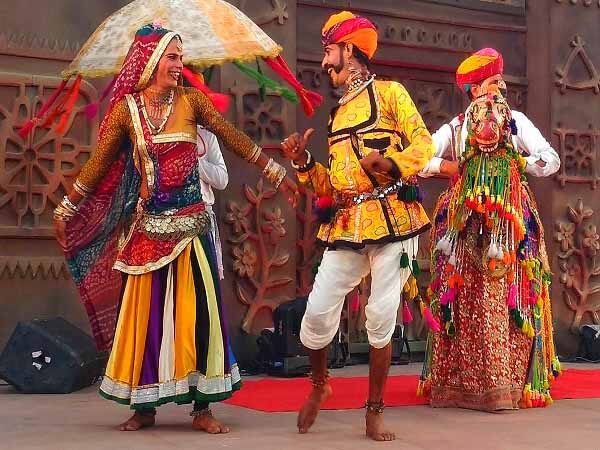
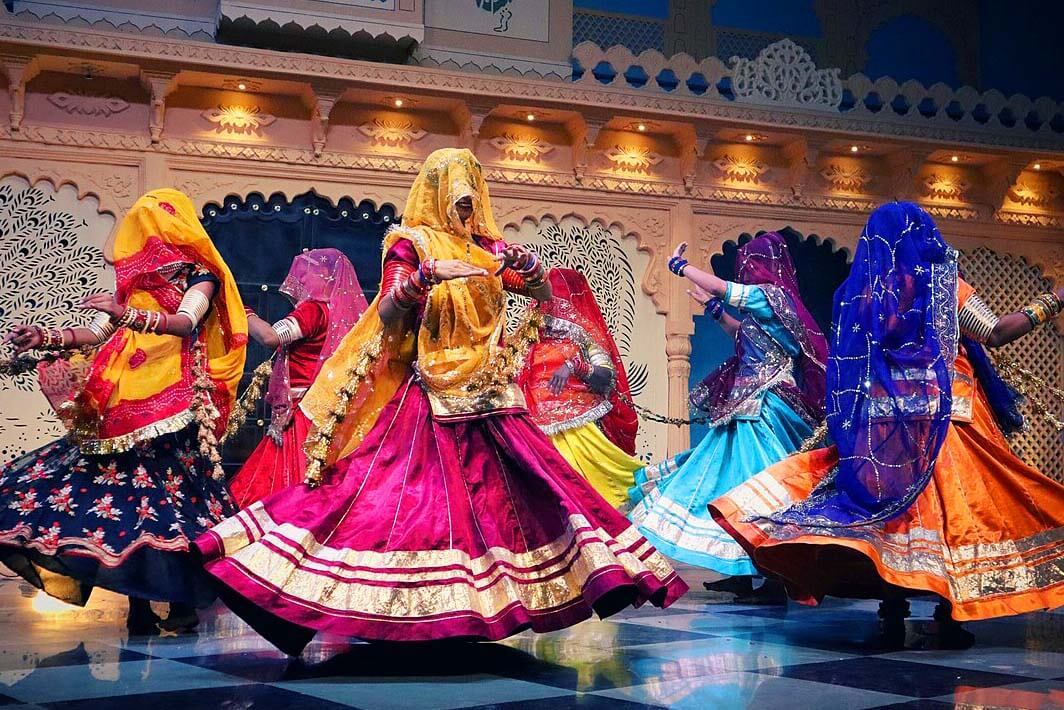
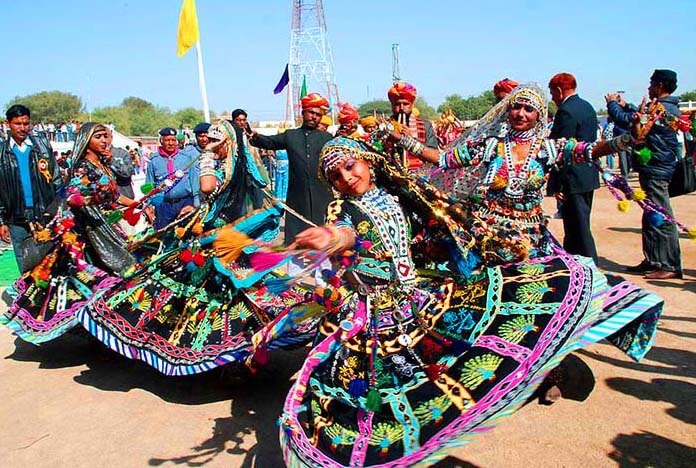
Traditional Kawadi Performance
Authentic tribal Kawadi dance with decorated structures
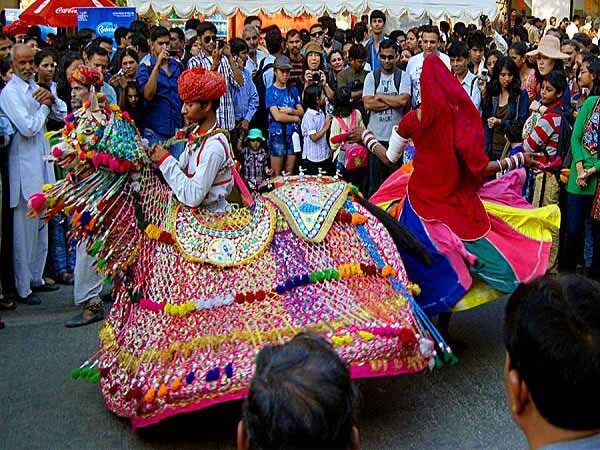
Sacred Kawad Decoration
Elaborately decorated kawad with flowers and sacred symbols
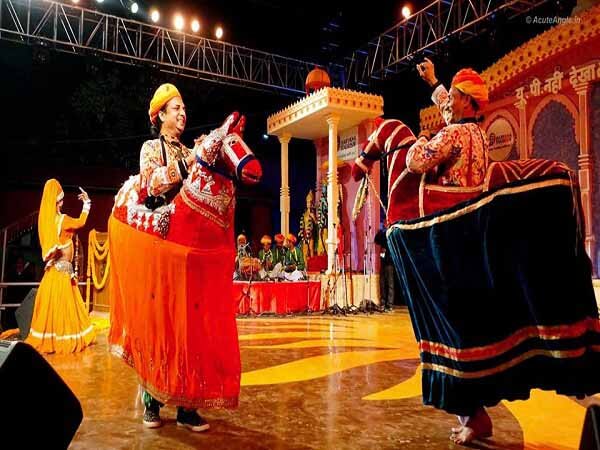
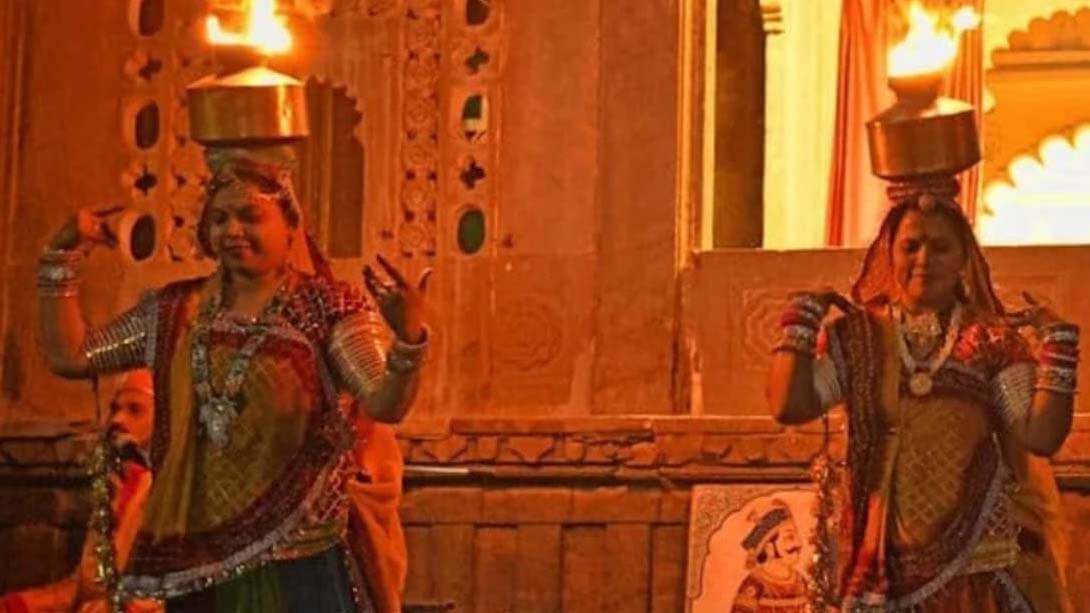
Devotional Ceremony
Spiritual Kawadi performance at religious festival
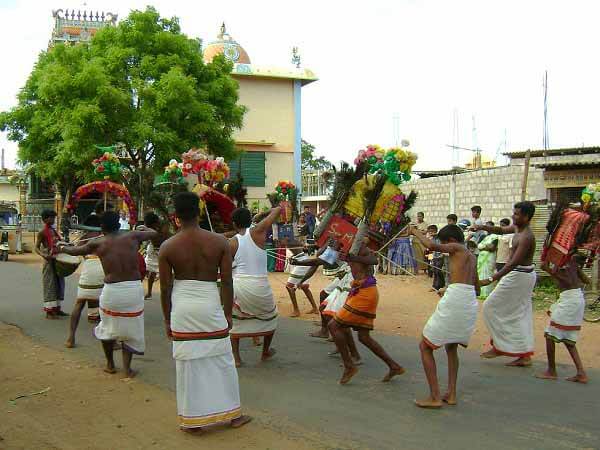
Tribal Dance Tradition
Bhil tribe performers carrying traditional kawads
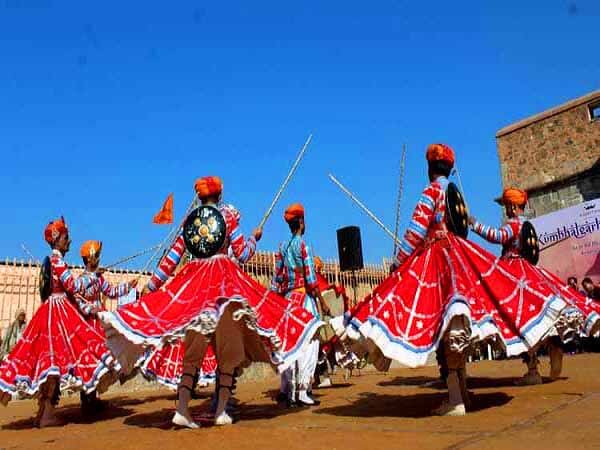
Traditional Musicians
Folk musicians creating devotional rhythms
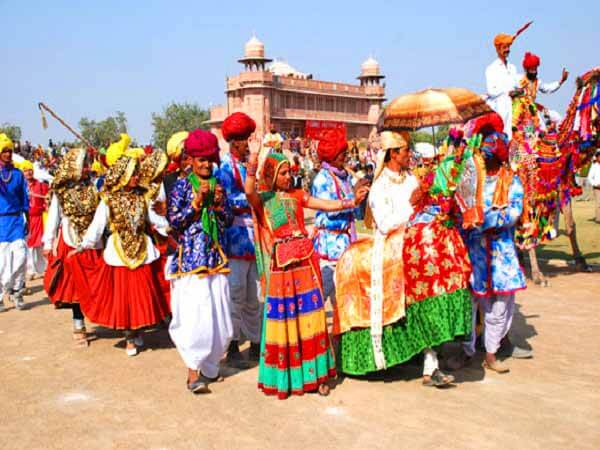
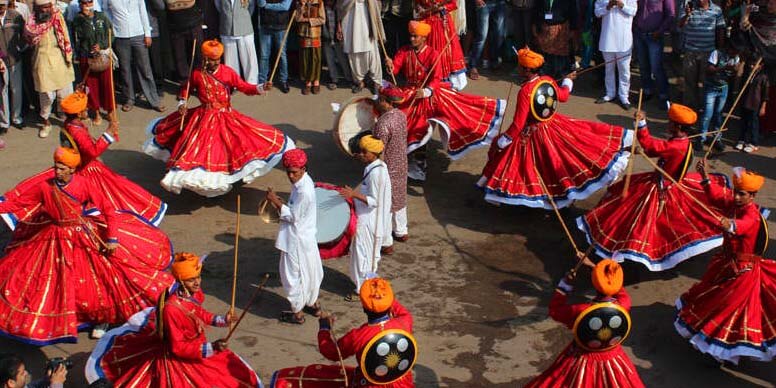
Cultural Festival Showcase
Spectacular Kawadi performance at heritage event
Book Professional Kawadi Dance Artists for Your Events
Bring the sacred devotional tradition and cultural richness of authentic Kawadi Dance to your religious ceremonies, cultural festivals, and special events. Our professional Kawadi dance troupes deliver spiritually uplifting performances with traditional kawad structures, devotional music, and experienced tribal artists.
Religious Ceremonies & Temples
Enhance temple celebrations, religious festivals, and spiritual gatherings with authentic Kawadi Dance performances that honor Lord Shiva and create devotional atmosphere.
Book for Religious Event
Maha Shivaratri & Shravan Celebrations
Celebrate Maha Shivaratri, Shravan month, and other Shiva-related festivals authentically with traditional Kawadi Dance performances by experienced devotional artists.
Book for Festival
Cultural Programs & Heritage Events
Showcase authentic tribal folk culture at cultural festivals, tourism events, heritage shows, and educational programs with professional Kawadi dancers.
Book for Cultural Event
Weddings & Family Celebrations
Add traditional Rajasthani spiritual elements to wedding ceremonies, sacred thread ceremonies, and family celebrations with devotional Kawadi Dance performances.
Book for Wedding
Corporate & Institutional Events
Make your corporate events, conferences, and institutional celebrations memorable with unique Kawadi Dance performances showcasing India's rich tribal heritage.
Book Corporate Event
Ready to Book Kawadi Dance Artists?
Contact us today for professional Kawadi Dance performances with authentic kawad structures, devotional music, and experienced tribal performers.
Kawadi Dance Artists Available Across India
Our professional Kawadi Dance troupes are available for performances in major cities across India. Book authentic devotional tribal dance artists for your events.
Delhi NCR
Jaipur
Mumbai
Bangalore
Hyderabad
Udaipur
Jodhpur
Chennai
Kolkata
Pune
Ahmedabad
Surat