Bhamakalpam Folk Dance of Andhra Pradesh - A Living Telugu Tradition
Bhamakalpam Folk Dance: A Graceful Expression of Telugu Tradition
Bhamakalpam Folk Dance is a refined and expressive classical folk dance form that originated in the Andhra Pradesh region of India. Deeply rooted in Telugu cultural traditions, this dance is known for its elegance, storytelling style, and strong connection to temple rituals and devotional practices. Traditionally performed by women, Bhamakalpam reflects grace, discipline, and emotional depth through carefully structured movements and facial expressions.
The dance form is closely associated with Bhagavata Mela traditions and was historically performed by Devadasis and temple dancers. Over time, it evolved into a stage performance art while preserving its spiritual and cultural essence. Bhamakalpam is usually presented as a dance-drama, where stories from Hindu epics and Puranas are narrated through rhythmic footwork, hand gestures (mudras), and expressive abhinaya (facial expressions).
One of the most distinctive features of Bhamakalpam Folk Dance is its costume and makeup. Dancers wear richly designed traditional sarees, heavy jewelry, and bold facial makeup that highlights eye movements and expressions. The visual appeal of the performance plays a vital role in captivating the audience and enhancing the storytelling aspect.
The music accompanying Bhamakalpam is based on Carnatic classical music, with instruments such as the mridangam, veena, and nattuvangam setting the rhythm. The songs are generally composed in Telugu and carry devotional or mythological themes, making the performance both entertaining and spiritually enriching. Today, Bhamakalpam Folk Dance is performed at cultural festivals, temple celebrations, and classical dance events across South India. Dance academies and cultural organizations are actively working to preserve and promote this art form among younger generations.
Bhamakalpam is not just a dance—it is a living heritage that reflects the artistic sensitivity, devotion, and storytelling brilliance of Telugu culture. Through its graceful movements and meaningful expressions, it continues to keep India’s traditional performing arts alive and vibrant.
Bhamakalpam Dance Photos & Performance Videos
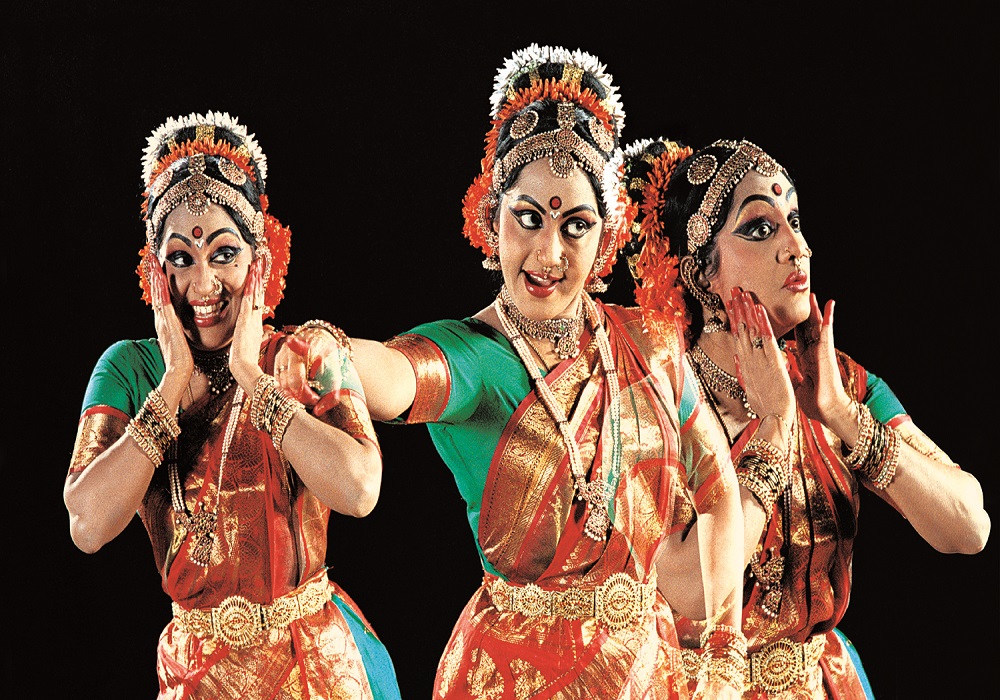

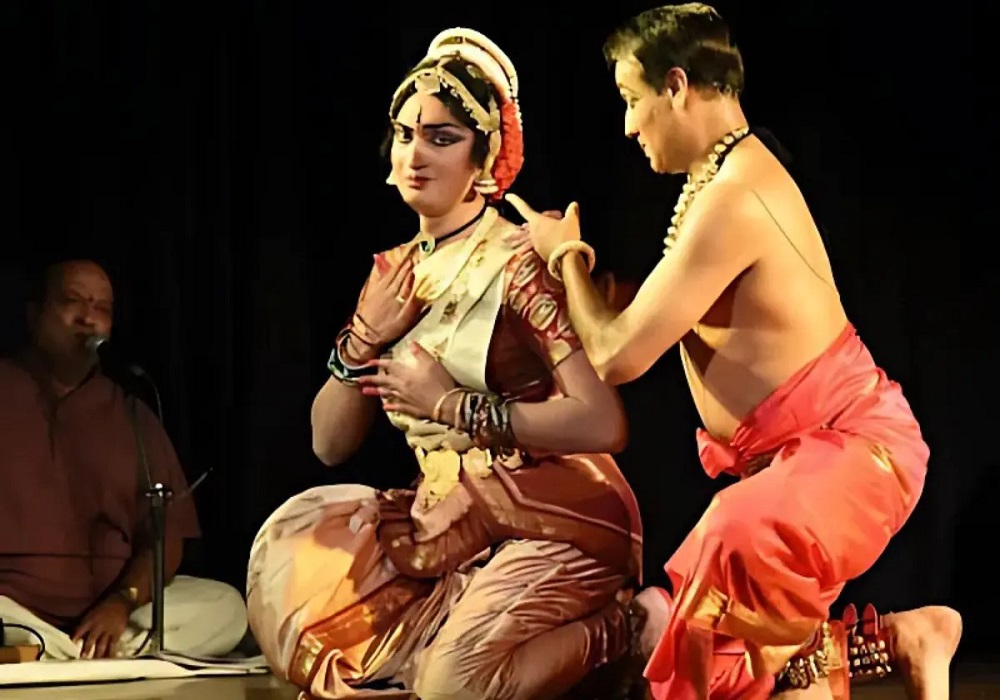
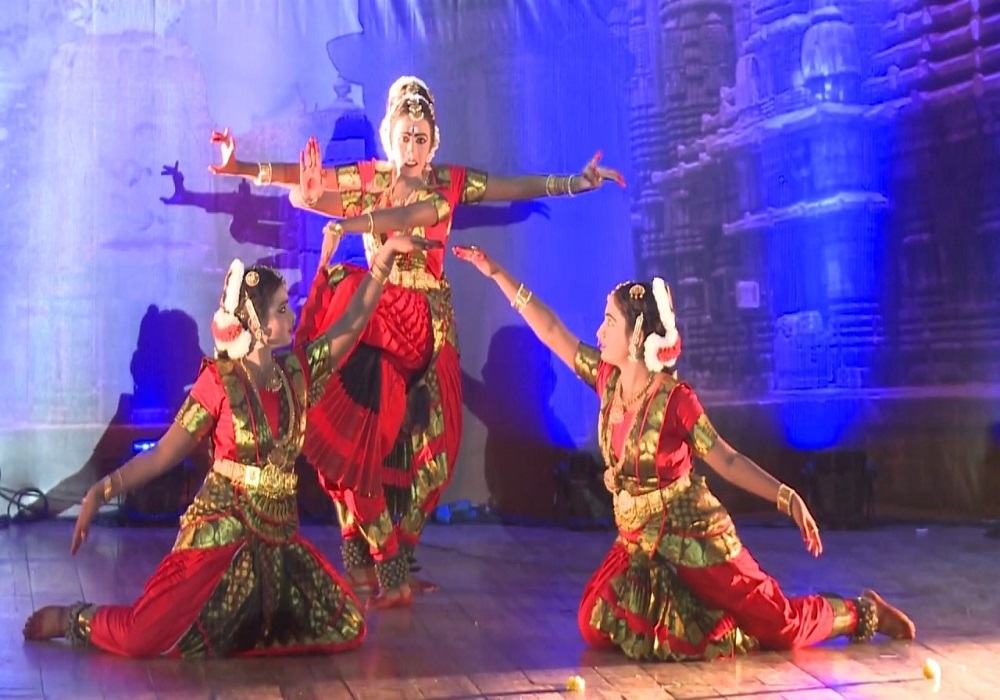
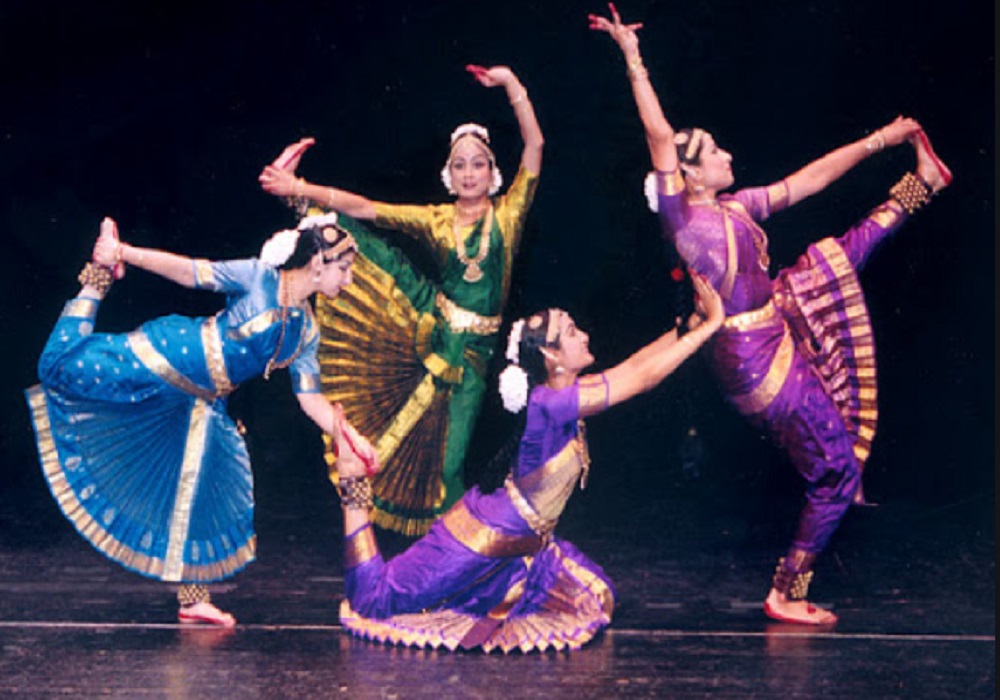
Bhamakalpam Folk Dance - Frequently Asked Questions
What is Bhamakalpam Folk Dance?
Bhamakalpam is a traditional classical-folk dance form that originated in Andhra Pradesh, especially among the Brahmin community. It is a graceful dance-drama performed mainly by women and is known for its expressive storytelling, music, and elegance.
Which region is Bhamakalpam folk dance associated with?
Bhamakalpam is primarily associated with the coastal regions of Andhra Pradesh. It has been traditionally performed in temple towns and cultural gatherings of Telugu-speaking communities.
What is the theme of Bhamakalpam dance?
The dance usually revolves around mythological stories, moral values, and everyday social life. It often portrays episodes from Hindu epics and emphasizes devotion, ethics, and cultural refinement.
Who performs Bhamakalpam folk dance?
Traditionally, Bhamakalpam is performed by women artists. In earlier times, it was presented within close community circles, but today trained dancers perform it on cultural and professional stages as well.
What makes Bhamakalpam dance unique?
Bhamakalpam stands out for its gentle movements, subtle facial expressions, and meaningful dialogues. The dance combines music, acting, and rhythm, making it more like a dance-drama than a solo performance.
What kind of music is used in Bhamakalpam Dance?
The music is classical in nature, rooted in Carnatic traditions. It includes devotional songs, rhythmic syllables, and narrative verses that guide the dancers through the performance.
What costumes are worn in Bhamakalpam folk dance?
Dancers wear traditional Telugu attire such as sarees with elegant draping, along with temple jewelry, flowers in the hair, and minimal yet expressive makeup that highlights facial expressions.
On which occasions is Bhamakalpam Dance performed?
Bhamakalpam is commonly performed during temple festivals, cultural programs, religious ceremonies, and classical dance festivals celebrating South Indian heritage.
Is Bhamakalpam Dance still performed today?
Yes, though it is less widely known than some other classical dances, Bhamakalpam continues to be practiced by dedicated artists and cultural institutions that aim to preserve traditional dance forms.
Why is Bhamakalpam folk dance important to Indian culture?
Bhamakalpam plays an important role in preserving regional traditions, classical music, and storytelling methods. It reflects the cultural richness and artistic discipline of Andhra Pradesh’s heritage.
Related States & Popular Folk Styles
Explore folk dance traditions from other regions of India:
Book Bhamakalpam Dancers - Contact & Quick Quote
Ready to book authentic Bhamakalpam folk dancers for your event? Contact us today for a personalized quote and event planning consultation.
Delhi Office
Address:
Plot No.2, 1st Floor, Street No.7, A Block,
West Sant Nagar, Burari, Landmark - Rani Public School,
Delhi - 110084
Phone: +91-9355056666
Bangalore Office
Address:
102/7, Silver County Rd, Kudlu,
Bengaluru, Karnataka 560068
Phone: +91-9611904473