Jata Jatin Folk Dance Troupe - Bihar Folk Dance
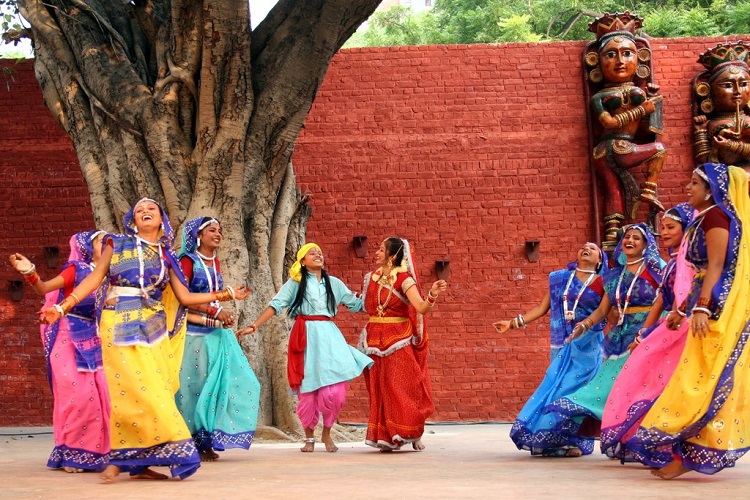
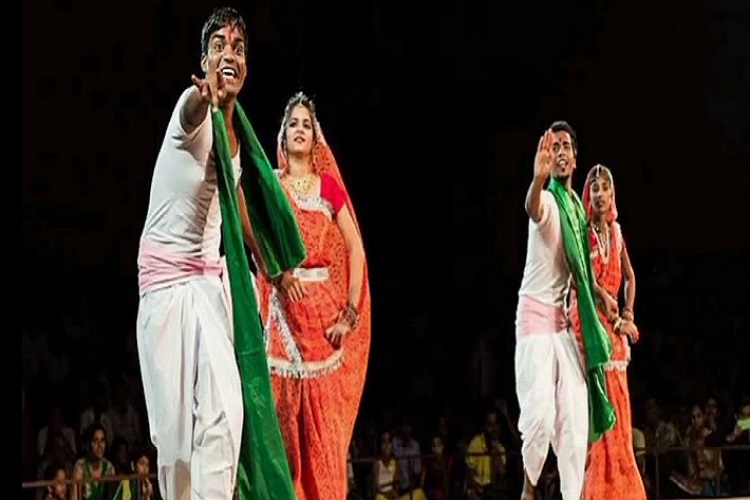
Jata Jatin is one of the most expressive and emotionally rich folk dances of eastern India, deeply rooted in the cultural life of Bihar, Jharkhand, and parts of West Bengal. This traditional dance narrates the everyday struggles, hopes, and relationships of rural people, making it both a performing art and a living social story. Performed mainly by men, Jata Jatin is known for its dramatic presentation, rhythmic movements, and strong connection to folk storytelling.
The dance usually revolves around two central characters—Jata and Jatin—who represent common villagers. Through their dialogues, gestures, and synchronized steps, they portray themes such as migration, poverty, separation from loved ones, social injustice, and the challenges of survival. Unlike purely celebratory dances, Jata Jatin often carries a serious tone, reflecting the harsh realities of rural life while still maintaining artistic beauty and emotional depth.
Music plays a vital role in Jata Jatin performances. Traditional folk instruments like the dholak, nagara, and manjira provide the rhythmic foundation, while folk songs guide the flow of the dance. The lyrics are usually sung in local dialects, making the performance more authentic and relatable to village audiences. The songs are simple yet powerful, often filled with satire, emotion, and social messages.
Jata Jatin is traditionally performed during village gatherings, fairs, festivals, and community events. It serves not only as entertainment but also as a medium of awareness, allowing performers to highlight social issues in a way that is engaging and thought-provoking. Over generations, this dance has helped preserve oral traditions and local history.
Photo & Video Gallery
Frequently Asked Questions
What types of Bihar folk dance performances do you offer?
We offer authentic Bihar folk dance performances including Jata-Jatin, Bakho-Bakhain, Panwariya, Sama Chakwa, Bidesia. Our repertoire covers traditional, classical, and contemporary adaptations of Bihar's rich cultural heritage.
How much advance notice do you need for booking Bihar folk dancers?
We recommend booking Bihar folk dancers at least 2-3 weeks in advance for local events and 4-6 weeks for outstation performances. However, we can accommodate last-minute bookings subject to artist availability.
Do you provide costumes and musical instruments for Bihar folk dance performances?
Yes, we provide authentic traditional costumes, musical instruments, and sound equipment for all Bihar folk dance performances. Our costumes are specially designed to reflect the regional authenticity of Bihar's cultural traditions.
Can you customize Bihar folk dance performances for specific themes or occasions?
Absolutely! We can customize Bihar folk dance performances to match your event theme, duration, and audience preferences. Our choreographers can adapt traditional dances while maintaining cultural authenticity.
What is included in the Bihar folk dance performance package?
Our Bihar folk dance package includes professional dancers, traditional costumes, musical instruments, sound system, cultural commentary, and coordination. We also provide cultural context and educational elements if requested.
Do your Bihar folk dancers perform at destination weddings and outdoor venues?
Yes, our Bihar folk dancers are experienced in performing at various venues including destination weddings, outdoor locations, hotels, and community centers. We adapt our performances to suit different venue requirements.
Are your Bihar folk dance performances suitable for international audiences?
Our Bihar folk dance performances are specially crafted for diverse audiences, including international viewers. We provide cultural commentary and context to help audiences appreciate the significance of Bihar's traditional arts.
How do you ensure authenticity in Bihar folk dance performances?
Our Bihar folk dancers are trained by master artists from the region and have extensive knowledge of traditional techniques, costumes, and music. We maintain authenticity while making performances engaging for modern audiences.
What are the space and technical requirements for Bihar folk dance performances?
For Bihar folk dance performances, we typically need a minimum 15x15 feet performance area, basic lighting, and power supply for sound equipment. We can adapt to smaller spaces with advance notice.
Do you offer workshops and training sessions for Bihar folk dances?
Yes, we conduct workshops and training sessions for Bihar folk dances at schools, colleges, corporate offices, and cultural centers. Our master trainers provide hands-on experience in traditional dance forms and cultural education.
Related States & Popular Folk Styles
Explore folk dance traditions from other regions of India:
Popular Folk Styles Across India
India's diverse cultural landscape offers a rich tapestry of folk dance traditions. From the energetic Bhangra of Punjab to the graceful Bharatanatyam influences in Tamil folk dances, each region contributes unique elements to India's cultural heritage. Our network of professional artists can perform authentic folk dances from multiple states, making us your one-stop solution for cultural entertainment.
Contact & Quick Quote
Ready to book authentic Bihar folk dancers for your event? Contact us today for a personalized quote and event planning consultation.
Delhi Office
Address: Plot No.2, 1st Floor, Street No.7, A Block, West Sant Nagar, Burari, Landmark – Rani Public School, Delhi – 110084
Phone: +91-9355056666
Bangalore Office
Address: 102/7, Silver County Rd, Kudlu, Bengaluru, Karnataka 560068
Phone: +91-9611904473
Patna Office
Address: Flat No. 1, 2nd Floor, Patna
Email: info@anantagroup.com