Garba Folk Dance Troupe
Garba Folk Dance Troupe represents the living heartbeat of Gujarat’s cultural heritage. Rooted in devotion and community celebration, Garba is more than a dance form it is an expression of joy, faith, and togetherness performed in rhythmic circular movements around a symbolic lamp or image of the Goddess. A professional Garba Folk Dance Troupe brings this timeless tradition to life through graceful choreography, vibrant costumes, and powerful musical coordination.
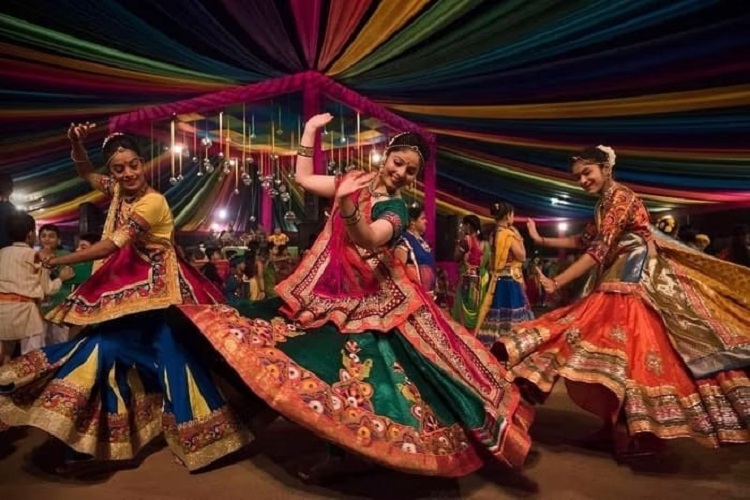
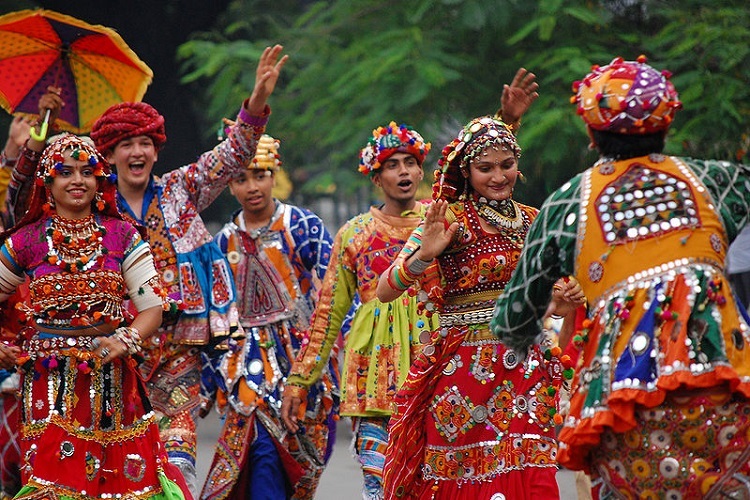
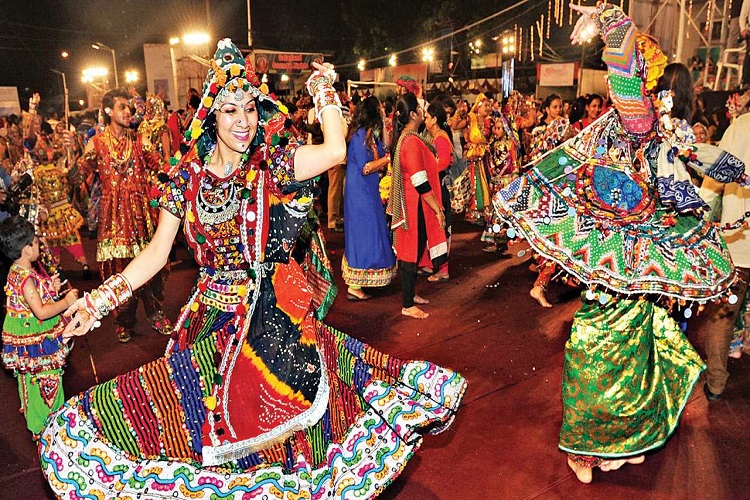
Each performer in a Garba Folk Dance Troupe is trained to maintain perfect rhythm while expressing emotion through fluid hand movements and synchronized footwork. The colorful attire, adorned with mirror work and traditional embroidery, adds visual brilliance to every performance. Live or recorded folk music, featuring dhol, tabla, and traditional vocals, creates an energetic atmosphere that instantly connects audiences to the spirit of Navratri and Gujarati festivals.
Beyond religious celebrations, a Garba Folk Dance is also a popular choice for cultural events, weddings, corporate gatherings, and stage shows. Their performances are often customized to suit different audiences while preserving the authenticity of the folk tradition. This balance of tradition and adaptability makes the troupe appealing across generations.
A Garba Folk Dance Troupe not only entertains but also preserves and promotes India’s rich folk legacy. Through disciplined practice and passionate performance, these artists ensure that the essence of Garba continues to inspire cultural pride and collective celebration wherever it is performed.
Photo & Video Gallery
Frequently Asked Questions
What is Garba Folk Dance?
Garba is a traditional folk dance of Gujarat, India, performed in a circular formation. It symbolizes joy, devotion, and community bonding and is deeply connected with the worship of Goddess Durga, especially during the Navratri festival.
Why is Garba danced in a circle?
The circular movement in Garba represents the cycle of life and the belief that God is the center of creation. Dancers move around a lamp or an idol placed in the center, symbolizing divine energy.
During which festival is Garba mainly performed?
Garba is primarily performed during Navratri, a nine-night festival celebrated in honor of Goddess Durga. However, it is also showcased at cultural events, weddings, and folk festivals across India and abroad.
What music is used for Garba?
Garba is performed to traditional Gujarati folk songs, devotional lyrics, and rhythmic beats. Instruments like dhol, tabla, manjira, and harmonium are commonly used.
What costumes are worn in Garba?
Women usually wear chaniya choli with vibrant colors, mirror work, and embroidery, while men wear kediyu with dhoti or churidar. Traditional jewelry and accessories enhance the overall look.
Is Garba different from Dandiya Raas?
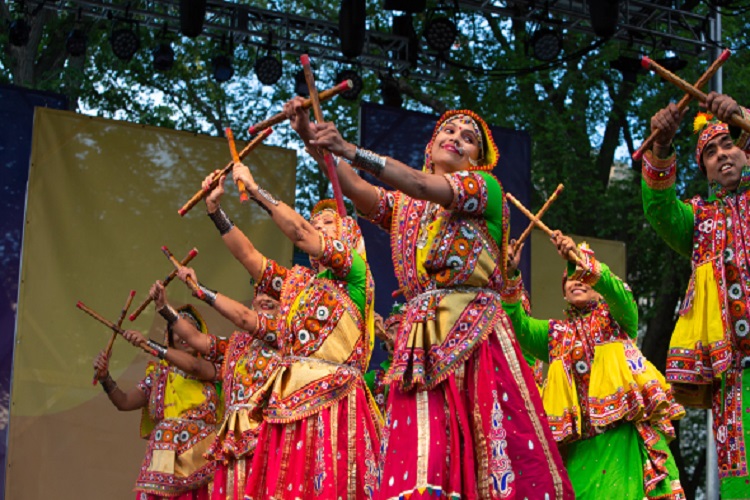
Yes, Garba and Dandiya Raas are different. Garba involves graceful hand and body movements without sticks, while Dandiya Raas is performed using colorful wooden sticks called dandiyas.
Can anyone learn and perform Garba?
Absolutely. Garba is easy to learn and open to all age groups. Its simple steps make it accessible to beginners while still allowing room for advanced styles.
What is the cultural significance of Garba?
Garba reflects devotion, unity, and celebration of feminine power. It preserves Gujarat’s cultural heritage and promotes social harmony through collective participation.
Is Garba performed outside India?
Yes, Garba is widely performed in countries like the USA, UK, Canada, and Australia by Indian communities, especially during Navratri celebrations.
How has Garba evolved in modern times?
While Garba maintains its traditional roots, modern styles include fusion music, stage performances, and contemporary choreography, making it popular among younger generations.
Related States & Popular Folk Styles
Explore folk dance traditions from other regions of India:
Contact & Quick Quote
Ready to book authentic Gujarat folk dancers for your event? Contact us today for a personalized quote and event planning consultation.
Delhi Office
Address: Plot No.2, 1st Floor, Street No.7, A Block, West Sant Nagar, Burari, Landmark – Rani Public School, Delhi – 110084
Phone: +91-9355056666
Bangalore Office
Address: 102/7, Silver County Rd, Kudlu, Bengaluru, Karnataka 560068
Phone: +91-9611904473
Patna Office
Address: Flat No. 1, 2nd Floor, Patna
Email: info@anantagroup.com