Gair Folk Dance Troupe - Gair Folk Dance of Rajasthan
Gair Dance of Rajasthan
Experience the Vibrant Stick Dance Tradition of Rajasthan's Festive Celebrations
Book Now: +91-9355056666
Introduction to Gair Dance of Rajasthan
The Gair Dance of Rajasthan is a vibrant and energetic traditional folk dance that embodies the festive spirit and warrior traditions of Rajasthan. This dynamic performance is primarily performed by men who dance in synchronized formations while striking sticks rhythmically, creating a captivating spectacle of sound, movement, and cultural pride.
Traditionally performed during the colorful festival of Holi and other major celebrations like Gangaur and Janmashtami, the Gair Dance represents the joy, valor, and communal harmony of Rajasthan's rural communities. The name "Gair" comes from the local word for circular formation, as dancers move in intricate circular patterns while performing this high-energy dance.
The Rajasthani Gair dance is characterized by its vigorous movements, rhythmic stick clashing, and the colorful traditional attire worn by performers. The dance is accompanied by powerful drumbeats and folk songs that celebrate the harvest season, religious festivals, and the brave warrior heritage of Rajasthan. This mesmerizing folk art form showcases the strength, coordination, and cultural richness of Rajasthan's folk traditions.
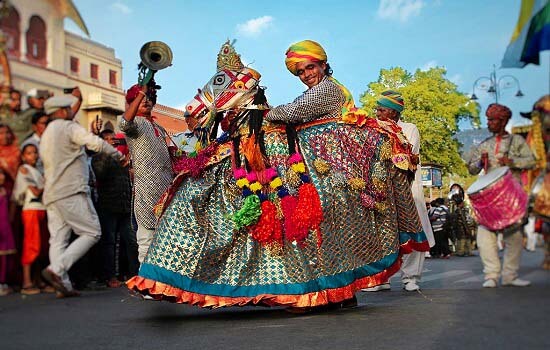
History & Cultural Origins of Gair Dance
The Gair Dance of Rajasthan has ancient roots that trace back several centuries to the tribal communities and warrior clans of Rajasthan. Originally performed by the Bhil tribe and later adopted by various Rajasthani communities, this stick dance was historically linked to martial training and warrior celebrations. The rhythmic stick movements in Gair dance were once part of combat training exercises that helped warriors develop coordination, rhythm, and teamwork.
Historically, the Gair Dance was performed during significant occasions such as the festival of Holi, harvest celebrations, and religious gatherings dedicated to local deities. The dance served multiple purposes: it was a form of entertainment, a display of community strength and unity, and a ritualistic performance to invoke blessings for prosperity and protection. Different regions of Rajasthan developed their own variations of Gair, including Dang Gair, Geendad Gair, and Gair Ghoomar.
Warrior Heritage
Gair Dance evolved from martial training practices of Rajasthan's warrior communities, with stick movements representing sword combat techniques and battle formations.
Festival Connection
Traditionally performed during Holi, Gangaur, and Janmashtami festivals, Gair Dance celebrates the joy of spring, harvest, and religious devotion with vibrant energy.
Community Unity
The synchronized circular formations and group coordination in Gair Dance symbolize the unity, harmony, and collective spirit of Rajasthani village communities.
Regional Variations
Different regions developed unique Gair styles including Dang Gair (Barmer, Jodhpur), Geendad Gair (Shekhawati), and Gair Ghoomar (Mewar), each with distinct characteristics.
Evolution Through the Centuries
Over the centuries, the Gair Dance transformed from a martial practice to a celebratory folk art form. During the Rajput era, royal courts patronized these performances, elevating Gair from village squares to palace celebrations. The dance incorporated more elaborate costumes, refined choreography, and musical accompaniment while retaining its core elements of stick rhythms and circular formations.
In modern times, the Gair Dance of Rajasthan has gained recognition as an important cultural heritage art form. It is now performed at cultural festivals, tourism events, weddings, and corporate functions across India and internationally. Contemporary Gair troupes have adapted the traditional dance for stage performances while maintaining its authentic essence, ensuring that this vibrant tradition continues to captivate audiences and preserve Rajasthan's warrior culture and festive spirit.
Traditional Costumes & Attire in Gair Dance
The traditional costumes of Gair dancers are a spectacular display of Rajasthan's colorful heritage and warrior culture. Male performers wear vibrant, specially designed attire that enhances the visual impact of the dance and reflects the festive and martial nature of the performance. The costumes are designed to allow freedom of movement while creating a stunning visual spectacle.
Colorful Kediyu (Upper Garment)
Dancers wear a traditional kediyu or angarakhi - a short, tight-fitting jacket with elaborate embroidery, mirror work, and bright colors like orange, red, yellow, and green representing the festive spirit.
Dhoti or Churidar (Lower Garment)
A white or colored dhoti, churidar, or tight-fitting pajama is worn, often with decorative borders and tied securely to allow vigorous movements during the stick dance performance.
Turban (Pagdi or Safa)
The distinctive Rajasthani turban is a crucial element, often in bright colors with decorative borders, sometimes adorned with feathers, brooches, or traditional jewelry, representing pride and honor.
Traditional Accessories
Performers wear traditional jewelry including earrings (kundal), necklaces, armlets (baajuband), and bells (ghungroo) on ankles that create rhythmic sounds complementing the stick strikes.
Sticks (Dang) - The Essential Prop
The most distinctive element of Gair Dance is the pair of decorated wooden sticks (dang) carried by each performer. These sticks are typically 2-3 feet long, often painted in bright colors and sometimes decorated with ribbons, mirrors, or bells. The rhythmic striking of these sticks creates the characteristic sound pattern that defines the Gair performance. Dancers hold one stick in each hand and strike them together or against their partners' sticks in perfectly synchronized movements, creating intricate rhythmic patterns.
Regional Costume Variations
Different regions of Rajasthan have developed their own distinctive costume styles for Gair Dance. In Mewar region, dancers often wear elaborately embroidered jackets with extensive mirror work. In Marwar (Jodhpur and Barmer), the costumes feature bolder colors with geometric patterns. The Shekhawati region's Geendad Gair performers wear simpler but equally colorful attire with distinctive turban styles. These regional variations add to the rich diversity of Gair Dance traditions while maintaining the core aesthetic of vibrant, warrior-inspired costumes.
Musical Instruments & Rhythms of Gair Dance
The music of Gair Dance is characterized by powerful percussion, energetic folk songs, and the distinctive rhythmic sound of striking sticks. The musical accompaniment creates an atmosphere of celebration, energy, and cultural pride that drives the dancers' movements and enhances the overall performance impact.
Dholak (Double-Headed Drum)
The dholak provides the primary rhythmic foundation with its powerful, resonant beats. Multiple dholak players create layers of rhythm that synchronize with the stick-striking patterns of the dancers.
Nagara (Large Drum)
The nagara, a large kettle drum, produces deep, thunderous sounds that add dramatic emphasis to the performance, especially during climactic moments and formation changes.
Manjira (Cymbals)
Brass cymbals (manjira or jhanj) provide sharp, metallic accents that complement the stick-striking sounds and add bright, celebratory tones to the overall musical texture.
Shehnai (Wind Instrument)
The shehnai or algoza (double flute) adds melodic elements to the percussion-heavy music, creating a festive atmosphere typical of Rajasthani celebrations and religious occasions.
Stick Rhythms (Dang Patterns)
The most distinctive musical element of Gair Dance is the rhythmic pattern created by the striking of wooden sticks. Dancers strike their sticks together in complex, synchronized patterns that vary throughout the performance. These stick rhythms follow traditional patterns called "bols" - rhythmic cycles that have been passed down through generations. The sound of dozens of sticks striking in perfect unison creates a powerful, almost hypnotic effect that is unique to Gair Dance.
Folk Songs & Vocal Music
Traditional Rajasthani folk songs accompany the Gair Dance, typically celebrating themes of harvest, festivals, devotion to deities, and warrior valor. Songs often reference local legends, seasonal celebrations, or religious stories. The lyrics are in Rajasthani dialects and Marwari language, sung in a robust, energetic style that matches the vigorous nature of the dance. Popular Gair songs include those dedicated to Lord Krishna (especially during Janmashtami), Holi celebration songs, and traditional warrior ballads.
Performance Style & Choreography of Gair Dance
The performance style of Gair Dance is characterized by vigorous, energetic movements performed in precise circular formations. This dynamic folk dance requires excellent coordination, physical stamina, and teamwork as dancers move in synchronized patterns while striking their sticks rhythmically.
Circular Formations (Gair Pattern)
The hallmark of Gair Dance is its circular formation, from which the dance derives its name. Dancers arrange themselves in one or multiple concentric circles, moving clockwise and counterclockwise in coordinated patterns. The circular formation symbolizes unity, the cycle of seasons, and the eternal nature of community bonds. As the dance progresses, these circles may expand, contract, or split into smaller groups, creating visually dynamic patterns.
Synchronized Stick Strikes
Dancers strike their sticks together in perfectly timed patterns - against their own sticks, their neighbors' sticks, or toward the center of the circle, creating rhythmic waves of sound and movement.
Vigorous Footwork
The dance involves energetic jumping, stepping, and turning movements. Dancers perform rhythmic steps, hops, and leaps that require considerable physical strength and stamina, reflecting warrior training origins.
Formation Changes
Throughout the performance, dancers execute complex formation changes, moving from circles to lines, creating human chains, or forming concentric circles, all while maintaining the rhythmic stick-striking pattern.
Group Coordination
Perfect synchronization among all performers is essential. Dancers must maintain precise timing in their movements, stick strikes, and formation changes, demonstrating remarkable group coordination and discipline.
Traditional Gair Variations
Dang Gair: Popular in Barmer and Jodhpur regions, this version features more aggressive stick work with martial movements. Dancers strike sticks with greater force and perform more athletic leaps and jumps, emphasizing the warrior heritage of the dance.
Geendad Gair: Performed in the Shekhawati region, this variation involves dancers holding a ball (geendad) in one hand while performing, adding an extra element of skill. The movements are slightly more restrained but highly rhythmic.
Gair Ghoomar: A fusion style combining elements of Gair and Ghoomar dances, sometimes performed as a mixed-gender dance in the Mewar region, featuring both stick work and graceful twirling movements.
Performance Progression
A traditional Gair Dance performance follows a structured progression. It typically begins with slow, deliberate movements as dancers establish the circular formation and basic rhythm. The tempo gradually increases, with stick-striking patterns becoming more complex and intricate. The dance builds to an energetic climax with rapid movements, powerful stick strikes, and dynamic formation changes. The performance concludes with a dramatic finale where all dancers strike their sticks simultaneously in a thunderous unified beat, symbolizing community strength and unity.
Gair Dance Image Gallery
Explore the vibrant visual journey of Gair Dance performances showcasing the colorful costumes, energetic movements, rhythmic stick work, and cultural splendor of this traditional Rajasthani folk dance.
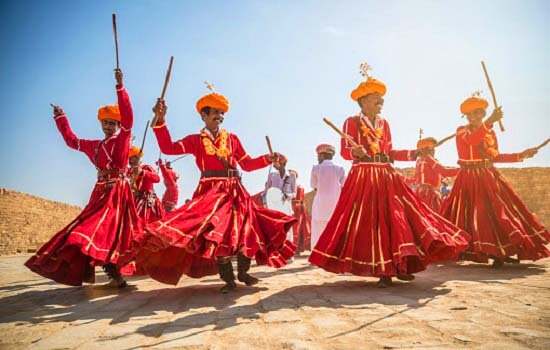
Traditional Gair Performance
Authentic Rajasthani Gair Dance with stick rhythms
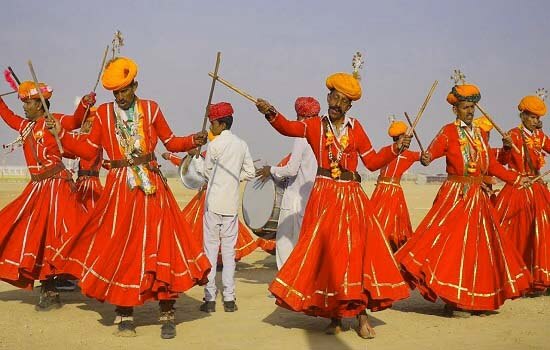
Vibrant Festival Attire
Colorful traditional costumes with elaborate embroidery
Circular Formation
Synchronized stick strikes in traditional Gair circle
Holi Festival Celebration
Energetic Gair performance during colorful Holi festivities
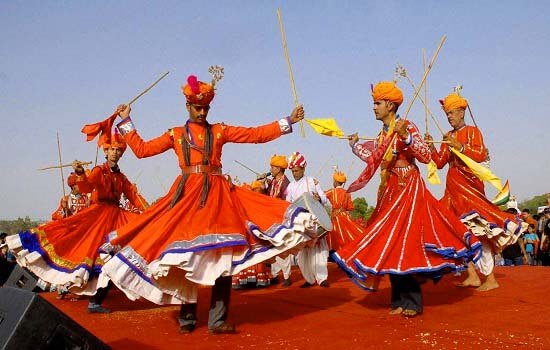
Traditional Musicians
Folk musicians creating powerful rhythms for Gair Dance
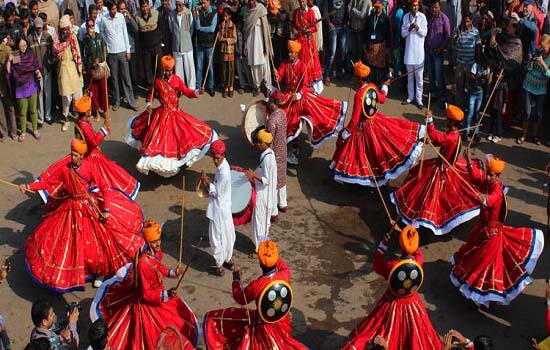
Cultural Festival Showcase
Spectacular Gair performance at cultural celebration
Book Professional Gair Dance Artists for Your Events
Bring the vibrant energy and cultural richness of authentic Rajasthani Gair Dance to your special occasions. Our professional Gair dance troupes deliver spectacular performances with traditional costumes, authentic stick rhythms, and high-energy choreography that will captivate your guests and create unforgettable memories.
Wedding Celebrations
Add traditional Rajasthani flair to your wedding, sangeet, or mehndi ceremonies with energetic Gair Dance performances that create a festive, cultural atmosphere.
Book for Wedding
Corporate Events & Product Launches
Make your corporate events, conferences, and product launches memorable with dynamic Gair Dance performances showcasing India's rich cultural heritage.
Book for Corporate
Holi & Festival Celebrations
Celebrate Holi, Gangaur, Janmashtami, and other festivals authentically with traditional Gair Dance performances that capture the spirit of Rajasthani celebrations.
Book for Festival
Cultural Programs & Tourism Events
Showcase authentic Rajasthani folk culture at cultural festivals, tourism events, heritage shows, and educational programs with professional Gair dancers.
Book for Cultural Event
Private & Destination Events
Create extraordinary experiences at private parties, destination weddings, resort events, and special celebrations with spectacular Gair Dance performances.
Book Private Event
Ready to Book Gair Dance Artists?
Contact us today for professional Gair Dance performances with authentic costumes, traditional stick rhythms, and experienced performers.
Gair Dance Artists Available Across India
Our professional Gair Dance troupes are available for performances in major cities across India. Book authentic Rajasthani stick dance artists for your events.
Delhi NCR
Jaipur
Mumbai
Bangalore
Hyderabad
Udaipur
Jodhpur
Chennai
Kolkata
Pune
Ahmedabad
Surat
Frequently Asked Questions About Gair Dance
What is Gair Dance of Rajasthan?
Gair Dance is a traditional Rajasthani folk dance performed primarily by men in circular formations while striking wooden sticks (dang) rhythmically. This energetic dance is typically performed during festivals like Holi, Gangaur, and Janmashtami. The word "Gair" refers to circular formation, and the dance involves synchronized movements, vigorous footwork, and coordinated stick-striking patterns that create a spectacular visual and auditory experience. Originating from warrior training traditions, Gair Dance celebrates community unity, festive joy, and Rajasthan's rich cultural heritage.
What are the different types of Gair Dance?
There are several regional variations of Gair Dance in Rajasthan: Dang Gair (popular in Barmer and Jodhpur) features aggressive stick work and athletic movements emphasizing warrior heritage. Geendad Gair (Shekhawati region) involves dancers holding a ball while performing, adding skill complexity. Gair Ghoomar (Mewar region) combines elements of both Gair and Ghoomar dances, sometimes performed as mixed-gender. Each variation has unique choreography, costume styles, and regional characteristics while maintaining the core elements of circular formations and rhythmic stick work.
When is Gair Dance traditionally performed?
Gair Dance is traditionally performed during major Rajasthani festivals and celebrations. The primary occasion is Holi, the colorful spring festival, where Gair Dance adds to the festive atmosphere with its vibrant energy. It's also performed during Gangaur (celebrating Goddess Gauri), Janmashtami (Lord Krishna's birthday), and during harvest celebrations. Additionally, Gair Dance is performed at weddings, village gatherings, religious ceremonies, and community celebrations. In modern times, it's also showcased at cultural festivals, tourism events, and professional performances throughout the year.
What costumes do Gair dancers wear?
Gair dancers wear vibrant, traditional Rajasthani costumes that enhance the visual spectacle of the performance. The attire includes a colorful kediyu or angarakhi (short jacket) with elaborate embroidery and mirror work in bright colors like orange, red, yellow, and green. They wear white or colored dhoti, churidar, or pajama (lower garment), and a distinctive Rajasthani turban (pagdi) often adorned with decorative elements. Traditional jewelry includes earrings, necklaces, armlets, and ankle bells (ghungroo). Each dancer carries two decorated wooden sticks (dang) that are integral to the performance. Regional variations may have different color combinations and embellishment styles.
How can I book Gair Dance artists for my event?
Booking professional Gair Dance artists for your event is easy. You can contact us through multiple channels: Call our booking team at +91-9355056666 (Delhi) or +91-9611904473 (Bangalore), send WhatsApp messages to +91-9355056666, or email us at info@anantagroup.com or info@artistmanagementcompanies.in. Our services are available for weddings, corporate events, festivals, cultural programs, and private celebrations across major Indian cities including Delhi NCR, Jaipur, Mumbai, Bangalore, Hyderabad, Udaipur, Jodhpur, and more. We provide authentic costumes, professional performers, traditional music accompaniment, and customized performances tailored to your event requirements.