Giddha Folk Dance Troupe
Giddha Folk Dance – The Rhythmic Voice of Punjabi Women
Giddha Folk Dance is one of the most vibrant and expressive traditional dances of Punjab, celebrated for its grace, energy, and deep cultural roots. Performed mainly by women, Giddha is not just a dance form but a powerful medium of storytelling, joy, and social expression. It beautifully reflects the everyday lives, emotions, and aspirations of Punjabi women.
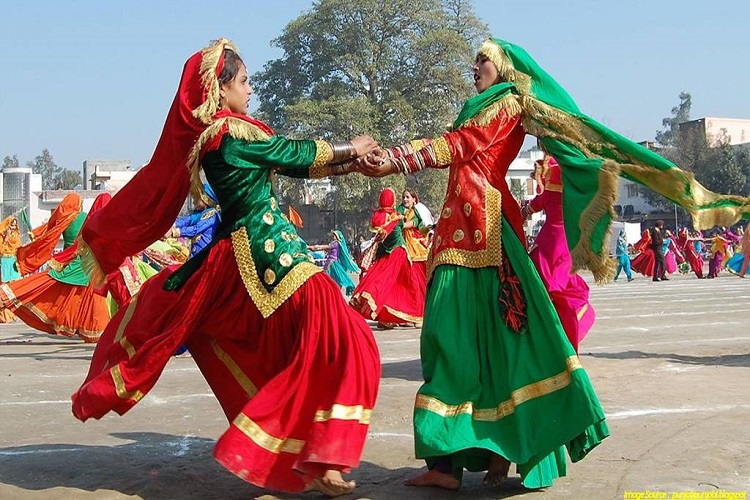
Giddha originated from ancient folk traditions and is believed to have evolved from the Ring Dance, an early ritualistic form. Over time, it became a popular performance at weddings, festivals, fairs, and special family gatherings. Women perform Giddha in a circular formation, clapping rhythmically while moving with lively steps and graceful gestures. The dance does not rely on heavy musical instruments; instead, it is driven by hand claps and boliyan—short, witty folk verses sung in call-and-response style.
The heart of Giddha lies in its boliyan. These verses are humorous, emotional, and sometimes satirical, touching on themes like love, relationships, family life, social customs, and female empowerment. Through these lyrics, women express happiness, tease societal norms, and share personal experiences, making Giddha both entertaining and meaningful.
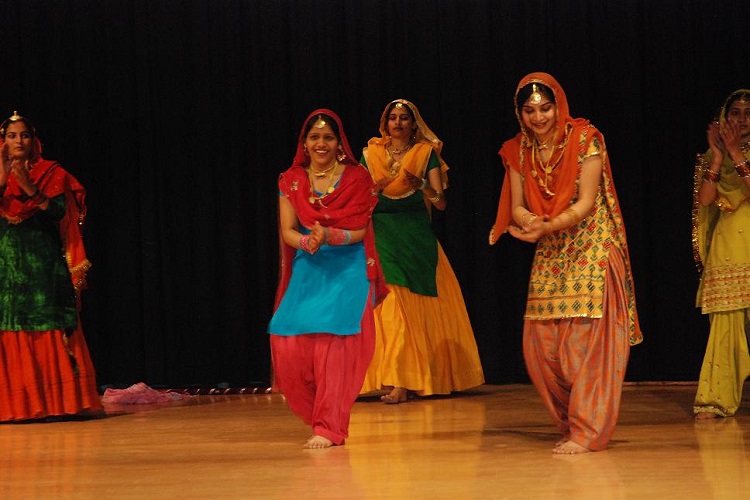
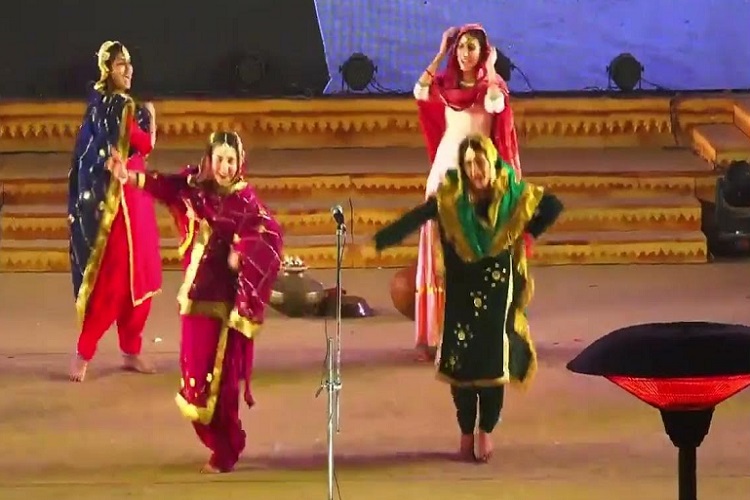
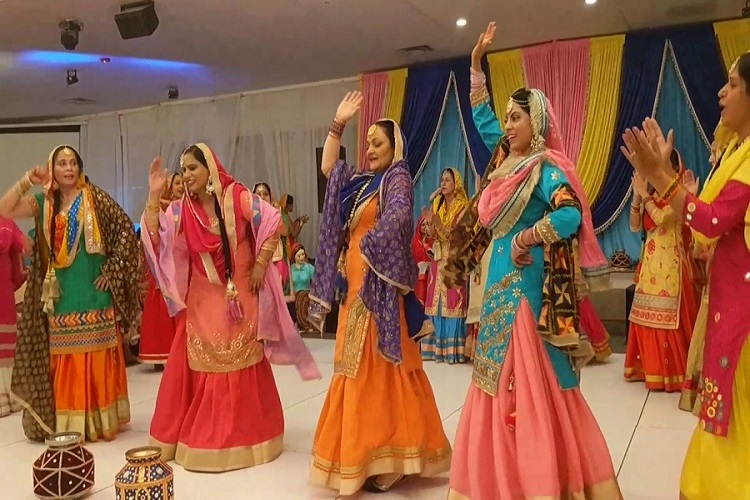
Traditional attire adds to the charm of Giddha Folk Dance. Performers usually wear colorful Punjabi suits or salwar-kameez, paired with vibrant dupattas and traditional jewelry. The bright costumes and synchronized movements create a visually captivating experience.
Today, Giddha continues to thrive, not only in villages but also on national and international stages. It is performed in cultural festivals, college events, and global Punjabi gatherings, helping preserve Punjab’s rich heritage. Giddha Folk Dance stands as a symbol of celebration, unity, and the strong voice of Punjabi women, keeping traditions alive through rhythm, song, and spirited movement.
Photo & Video Gallery
Frequently Asked Questions
What is Giddha Folk Dance?
Giddha is a traditional folk dance of Punjab, mainly performed by women. It is known for its graceful movements, expressive gestures, and rhythmic clapping, accompanied by lively folk songs called boliyan. Giddha represents joy, womanhood, and social bonding.
Which region is Giddha associated with?
Giddha originates from the Punjab region of India and Pakistan. It is deeply rooted in Punjabi rural culture and is commonly performed during festivals, weddings, and celebratory gatherings.
What is the main theme of Giddha dance?
The themes of Giddha usually revolve around daily life, love, humor, relationships, social values, and women’s experiences. Through boliyan, dancers express emotions, stories, and playful commentary on society.
What type of music is used in Giddha?
Giddha does not rely heavily on instruments like dhol. Instead, it focuses on rhythmic clapping and singing boliyan. Sometimes light folk instruments may be used, but the human voice remains the soul of the dance.
What costumes are worn during Giddha?
Women performing Giddha traditionally wear colorful Punjabi attire such as salwar-kameez or ghagra, paired with a dupatta. Accessories like phulkari, bangles, earrings, and paranda enhance the visual appeal of the dance.
How is Giddha different from Bhangra?
While both are Punjabi folk dances, Bhangra is energetic and traditionally performed by men, whereas Giddha is more expressive and graceful, performed by women. Giddha focuses on storytelling and emotions, while Bhangra highlights strength and celebration.
On which occasions is Giddha performed?
Giddha is commonly performed during weddings, Teej festival, Lohri, Baisakhi, and family celebrations. It is also showcased at cultural festivals and stage performances to promote Punjabi heritage.
Do dancers perform Giddha in groups or solo?
Giddha is mostly performed in groups, often in a circular formation. However, solo performances are also seen, especially when a dancer leads with expressive boliyan while others support through clapping.
Is Giddha still popular today?
Yes, Giddha remains popular and is actively practiced in schools, colleges, cultural events, and competitions. Modern performances often blend traditional steps with contemporary presentation while preserving its cultural essence.
Why is Giddha important in Punjabi culture?
Giddha plays a vital role in preserving Punjabi traditions and giving voice to women’s emotions and stories. It reflects the cultural identity, values, and social life of Punjab, making it an important part of folk heritage.
Related States & Popular Folk Styles
Explore folk dance traditions from other regions of India:
Contact & Quick Quote
Ready to book authentic Punjab folk dancers for your event? Contact us today for a personalized quote and event planning consultation.
Delhi Office
Address: Plot No.2, 1st Floor, Street No.7, A Block, West Sant Nagar, Burari, Landmark – Rani Public School, Delhi – 110084
Phone: +91-9355056666
Bangalore Office
Address: 102/7, Silver County Rd, Kudlu, Bengaluru, Karnataka 560068
Phone: +91-9611904473
Patna Office
Address: Flat No. 1, 2nd Floor, Patna
Email: info@anantagroup.com